Three days is enough to get a feel for Reykjavik only when you resist the urge to visit every attraction you see in every itinerary. The Icelandic capital, Reykjavik, is compact. You’ll find most of the sights are within a walkable distance, while some of the country’s biggest attractions—waterfalls, geysers, black-sand beaches and volcanic landscapes are feasible on day trips. This makes Reykjavik particularly easy to plan in a short break. So, if you’ve already seen hundreds of Instagram reels on Iceland and now confused what to include and exclude on your Reykjavik itinerary, you’ve landed on the right page. Our Reykjavik 3-day itinerary combines the city’s best-known sights with one full day outside the capital. You will have time for museums, cafés, geothermal bathing and Icelandic food without spending the whole trip rushing from one stop to another. Read along!
At a glance: 3 days in Reykjavik
Day 1: Hallgrímskirkja → Rainbow Street → Harpa → Sun Voyager → Old Harbour → city-centre dinner
Day 2: Golden Circle day trip → geothermal pool → Northern Lights tour if travelling in the right season
Day 3: Perlan → National Museum or Settlement Exhibition → Grandi → geothermal pool → relaxed final evening
The order can be changed depending on your arrival time, weather and the season.

Day 1: See the best of Reykjavik on foot
If you’re reaching Reykjavik from another country, by air, you have to enter the city through the Keflavík International Airport. The distance of the airport from the city centre is around 50 kilometres. We would suggest you to plan your first day deliberately simply. Reykjavik’s centre is small enough to explore without constantly checking a map, and walking gives you a better sense of the city’s colourful houses, independent shops, cafés and harbour views. The central area around 101 Reykjavík can be crossed on foot in roughly 20–25 minutes, although you will obviously take much longer once you stop at the sights.
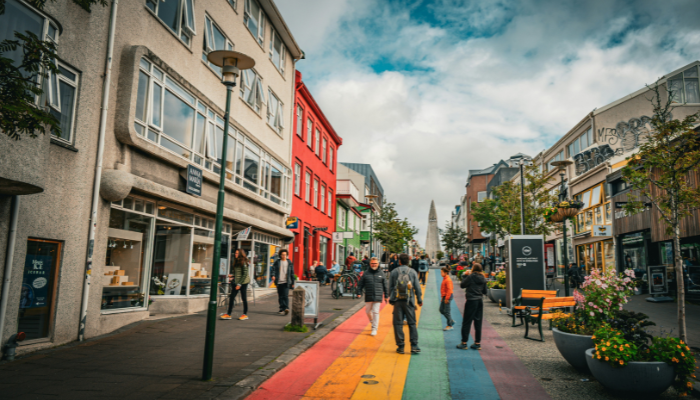
Image credit: Julia Taubitz for Unsplash
Morning: Hallgrímskirkja and Rainbow Street
Start at Hallgrímskirkja, the tall Lutheran church that has become one of Reykjavik’s defining landmarks.
Its unusual concrete exterior was inspired by Iceland’s basalt landscapes, so it looks quite different from the traditional churches you may have seen elsewhere in Europe. Go inside first, then take the lift to the viewing platform if the weather is clear. From the top, you get a useful orientation of the city, with its colourful rooftops, harbour and mountains beyond.
From here, walk down Skólavörðustígur, commonly known as Rainbow Street. This is one of the city’s most photographed streets, but it is more than a photo stop. It leads towards the centre and is lined with cafés, small shops, galleries and places to pause for coffee.
Allow around 1.5–2 hours for this area.
Late morning: Harpa and the waterfront
Continue towards the water and Harpa Concert Hall.
Even if there is no concert you want to attend, step inside. The building’s geometric glass façade catches the changing Icelandic light and looks particularly striking from the inside.
From Harpa, follow the waterfront towards the Sun Voyager, the famous steel sculpture shaped like a Viking ship. It is one of those Reykjavik sights that takes only a few minutes to see, so don’t over-plan it. Take your photographs, look across the bay towards Mount Esja and continue walking.
We also recommend you to visit the waterfront and Sun Voyager as among the city’s signature sights.
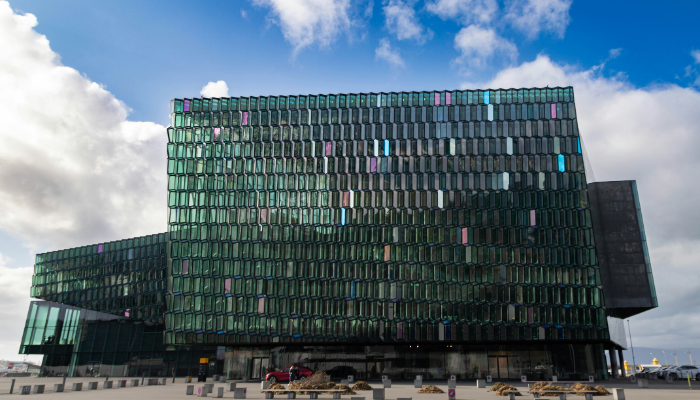
Image credit: Bernd 📷 Dittrich for Unsplash
Lunch: Keep it casual
This is a good point to try one of Reykjavik’s famous hot dogs.
Bæjarins Beztu Pylsur is the city’s best-known stand, but you don’t need to build your entire day around finding one particular food stall. Reykjavik has plenty of cafés, bakeries and casual restaurants around the centre.
Other Icelandic foods worth trying include:
- Lamb soup
- Fresh fish and seafood
- Skyr
- Rye bread
- Cinnamon buns and other bakery treats
- Icelandic hot dogs
The hot dog is particularly useful when you are travelling on a budget because it gives you a quick meal without committing to the price of a sit-down restaurant.
Afternoon: Choose one museum
Don’t try to visit every museum on your first day.
Choose one depending on your interests.
The Settlement Exhibition is a good choice if you want to understand Reykjavik’s Viking-era beginnings. The exhibition is built around an archaeological excavation of one of the city’s oldest settlements.
If you want a broader introduction to Icelandic history, choose the National Museum of Iceland instead.
If museums aren’t really your thing, simply spend the afternoon wandering around central Reykjavik. Browse Laugavegur’s shops, stop for coffee and walk around Tjörnin, the city pond.
This is one of the rare capitals where doing less can actually make the day better.
Evening: Dinner and a geothermal soak
For your first evening, stay close to the centre.
Have dinner around Laugavegur, the Old Harbour or the surrounding streets. Reykjavik has everything from simple cafés to modern Icelandic restaurants, but remember that eating out can be expensive.
Then consider visiting a local swimming pool.
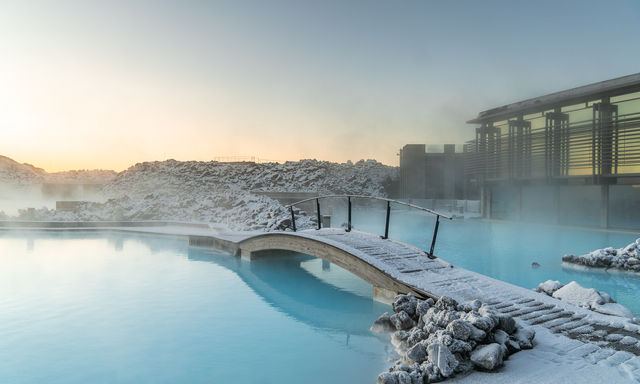
Geothermal bathing is not just a tourist activity in Iceland. Reykjavik’s public pools are part of everyday life, and they offer a more local alternative to the city’s premium lagoons.
If you want a more polished spa experience instead, you can book Sky Lagoon in nearby Kópavogur.
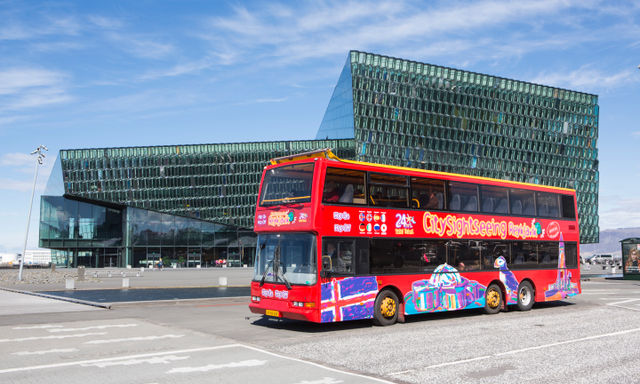
Alternative plan: If you want to spend your first day as loose as a goose, hop on a Reykjavik hop-on hop-off bus and get a clear overview of the city. We would suggest you choose the places that match your interest and mark them on the map. You can also buy a 48-hour Reykjavik double-decker bus ticket and use the bus as a transport on your second day, to reach one place to another if you think using private transport for sightseeing is beyond your budget. However, using public transport for city sightseeing is obviously a way to stay within the limit of your predecided budget; the only disadvantage is in public transport there will be no multilingual audio commentary to help you with the insights about the city.
Attractions covered by the hop-on hop-off bus:
- Harpa
- Laekjartorg
- Reykjavik City Hall
- The Old Harbour
- Whales of Iceland
- National Museum
- Hallgrimskirkja
- Perlan
- Kringlan Shopping Centre
- Laugardalur Valley
- Skarfabakki Harbour
Day 2: Take an Iceland day trip from Reykjavik
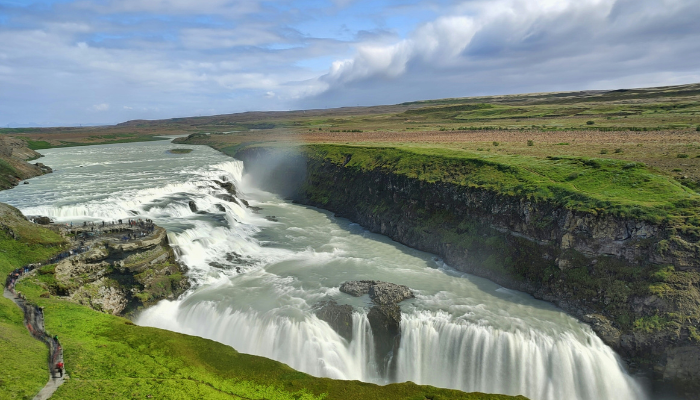
Image credit: Anton B for Unsplash
If you only have 3 days in Reykjavik, we would suggest you to use one of them to leave the city.
You could spend all three days exploring museums, pools and cafés, but Reykjavik’s biggest advantage is its location. Some of Iceland’s most famous natural sights can be visited on a day trip.
For a first visit, our suggestion would be the Golden Circle.
Golden Circle: the best choice for a first trip
A typical Golden Circle itinerary includes:
- Þingvellir National Park
- Geysir geothermal area
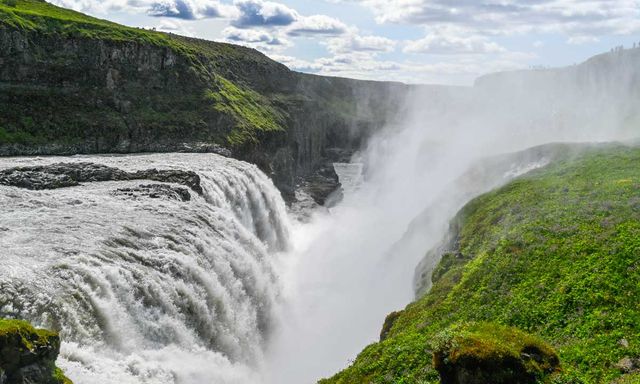
- Gullfoss waterfall
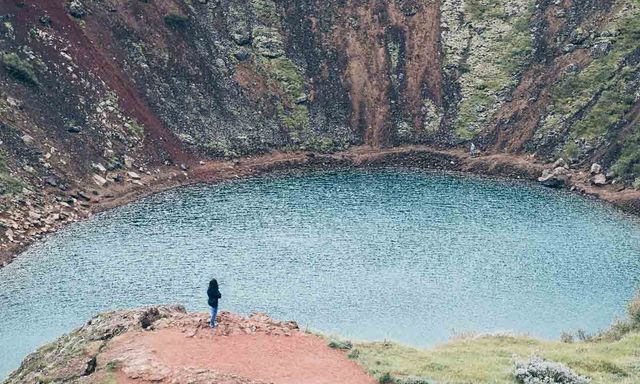
Many tours add another stop, such as Kerið crater or a geothermal pool.
Þingvellir gives you a mix of Icelandic history and geology. It is associated with the country’s historic parliament and sits in a landscape shaped by the movement of tectonic plates.
At Geysir, the original geyser has become relatively inactive, but nearby Strokkur erupts regularly.
Then there is Gullfoss, a powerful two-tier waterfall cutting into a deep canyon.
Most Golden Circle tours take around 6–8 hours, making it possible to return to Reykjavik in the afternoon or early evening.
Tour or rental car?
For a three-day visit, I would choose a guided tour unless you specifically want to drive.
A tour removes the need to think about parking, navigation and road conditions, and you can spend the journey looking out of the window rather than concentrating on the road.
Driving gives you more freedom, but Iceland’s weather and road conditions need to be taken seriously. Conditions can change quickly, particularly outside summer, and official Iceland travel guidance recommends checking weather and road conditions before setting out.
If you are planning several days around Iceland rather than staying mainly in Reykjavik, a rental car becomes much more useful.
What about the South Coast?
The South Coast is the better choice if waterfalls and black-sand beaches appeal to you more than geothermal areas and history.
A full-day South Coast trip can include Seljalandsfoss, Skógafoss, Reynisfjara and Vík, with some tours adding glacier experiences.
It is a longer day than the Golden Circle, so I would not try to combine both.
For a first-time traveller with only three days, pick one.
You can also read our guide to the best day trips from Reykjavik for more options.
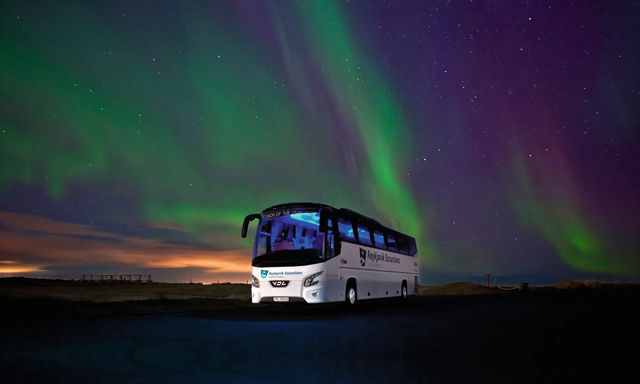
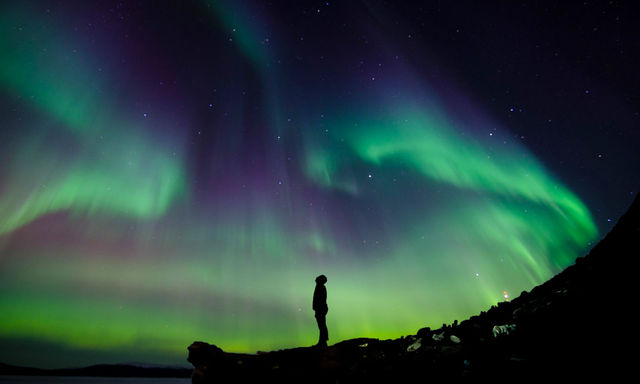
Evening: Northern Lights, if the season is right
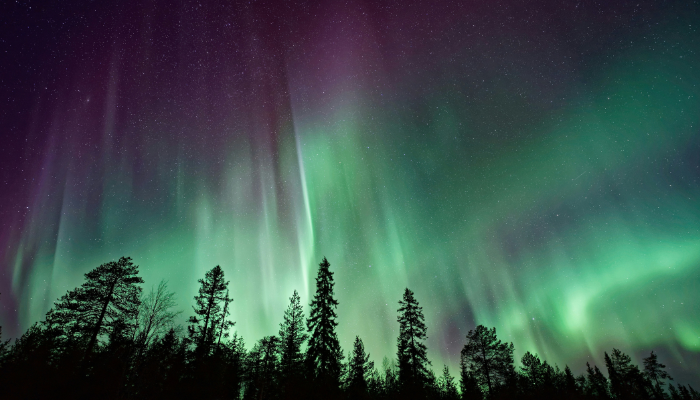
Image credit: Vincent Guth for Unsplash
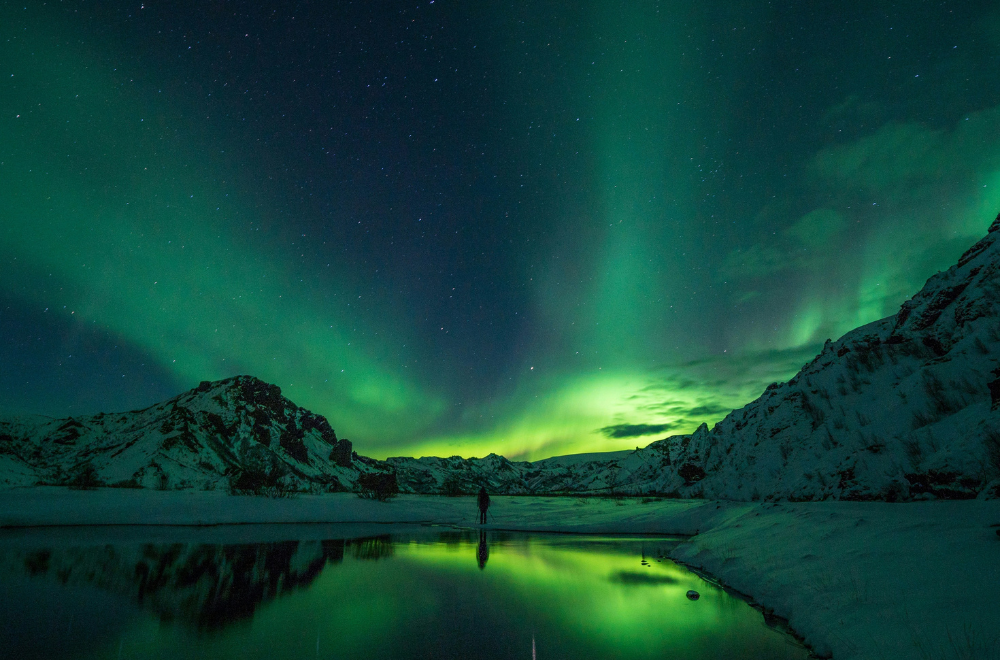
If you are visiting when the nights are dark enough, keep your second evening flexible for the Northern Lights.
This is where expectations matter.
Seeing the aurora is never guaranteed. You need darkness, clear enough skies and sufficient auroral activity. Reykjavik’s city lights can also make faint displays harder to see, so organised tours often drive away from the brightest parts of the capital.
For the best chance, consider booking Iceland northern lights tours rather than simply hoping you will see them from your hotel window.
Don’t worry if your first night produces nothing. If you have two or more suitable nights, you have more than one opportunity.
Day 3: Perlan, history and the quieter side of Reykjavik
After a full day outside the city, keep your final day slower.
Morning: Perlan
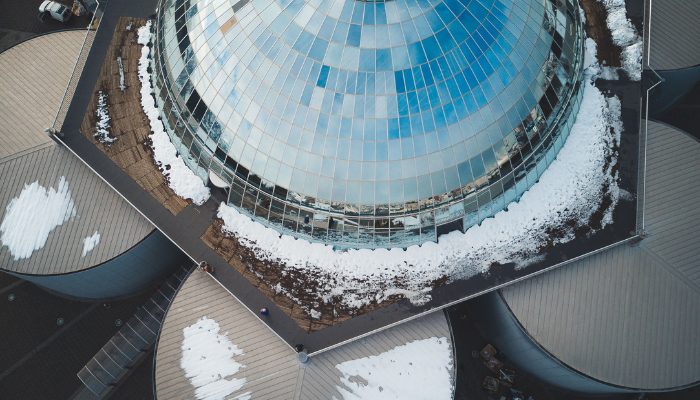
Image credit: Willian Justen de Vasconcellos for Pexels
Start at Perlan, the glass-domed building on Öskjuhlíð hill.
Inside, the Wonders of Iceland exhibition focuses on the country’s glaciers, volcanoes and other natural forces. There is also an observation deck with broad views over Reykjavik and the surrounding landscape.
Perlan is particularly useful on a rainy or windy day because much of the visit is indoors.
Allow around 2–3 hours.
Late morning or early afternoon: Reykjavik’s history
If you skipped the National Museum on Day 1, this is the time to visit it.
Otherwise, return to the centre for the Settlement Exhibition or simply spend a couple of hours walking around the older parts of town.
If you are travelling with children, don’t feel obliged to turn the final day into a museum marathon. Reykjavik’s swimming pools and open spaces can be more enjoyable after two busy sightseeing days.
Lunch: Try something local
Make lunch part of the experience rather than treating it as a quick necessity.
Look for a café serving Icelandic pastries, soup, fish or open sandwiches. Skyr is an easy breakfast or snack option, while a bakery stop is useful if you are trying to keep food costs under control.
Afternoon: Grandi and the Old Harbour
Walk towards Grandi, the old harbour district.
Former industrial buildings have been converted into restaurants, creative spaces, museums and other businesses, giving this part of Reykjavik a different feel from the more polished centre. It’s an area popular with food and art lovers.
You can visit Whales of Iceland, explore the harbour or simply take a slow walk along the waterfront.
If you missed Harpa or the Sun Voyager on Day 1, this is also a good opportunity to return to the waterfront without having to fit everything into one afternoon.
Evening: End with a geothermal pool
Finish your Reykjavik 3-day trip the Icelandic way: in warm water while the air outside is cold.
Choose a local public pool for a more everyday experience or get a Blue Lagoon tickets, if you want something more luxurious.
Then have your final dinner in the city centre.
If you are travelling during Northern Lights season and the forecast looks promising, you can swap the evening pool for one final aurora outing.
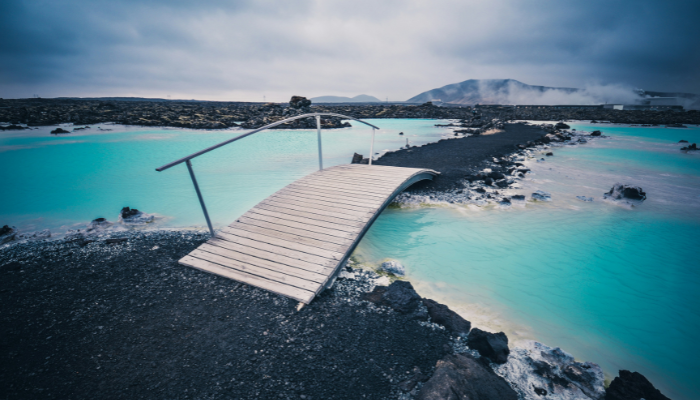
Image credit: Chris Lawton for Unsplash
Where to stay in Reykjavik for 3 days?
For a short visit, location matters more than having the biggest room.
Miðbær: Best for first-time visitors
Stay in Miðbær, or central Reykjavik, if you want the easiest possible first trip.
You will be close to Hallgrímskirkja, Harpa, museums, restaurants, Laugavegur and many tour pick-up points. It is identified as the best area for first-time visitors who want the city’s main attractions within walking distance.
Grandi: Best for food and the waterfront
Grandi is a good choice if you prefer being close to the harbour, restaurants and cultural attractions.
It is still walkable from central Reykjavik but feels slightly removed from the busiest streets.
Vesturbær: Best for a quieter stay
Vesturbær suits travellers who want a residential atmosphere without being far from the centre. It is also a useful option for families looking for a quieter base.
Laugardalur: Best for families and longer stays
Laugardalur is greener and more spacious, with a large geothermal pool, recreational areas and family attractions. It makes more sense if you don’t mind being outside the central sightseeing zone.
For only three days, our recommendation is Miðbær. The time saved on walking and getting to tour pick-ups is more valuable than staying farther out simply to find a slightly cheaper room.
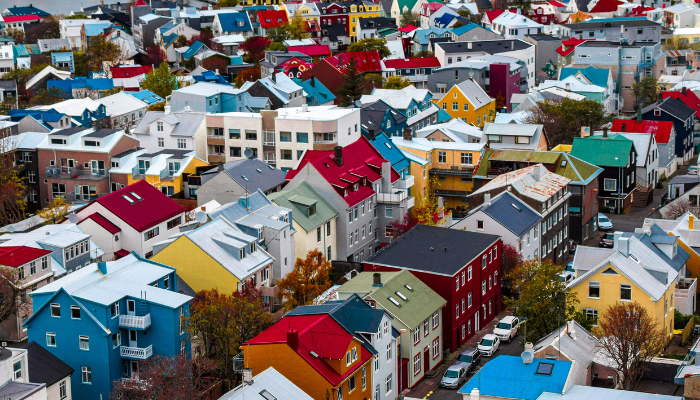
Image credit: Tom Podmore for Unsplash
When is the best time to spend 3 days in Reykjavik?
There isn’t one perfect season. Your choice depends on what you want from Iceland.
June to August is easiest for sightseeing because of the long daylight hours. June brings almost continuous daylight, while July still has more than 20 hours of daylight. Summer is particularly useful for road trips and outdoor activities.
September and October offer a useful compromise: fewer summer crowds, decent daylight and increasingly dark nights.
November to March is the period to consider if the Northern Lights are a major reason for your trip. The trade-off is short daylight and more unpredictable weather. In January, for example, Reykjavik can have only around 4–5 hours of daylight.
For aurora hunting, the season generally stretches from late August into early April, with the darkest months offering the most practical viewing opportunities.
Image credit: Juan Encalada for Unsplash
How to get around Reykjavik?
You do not need a rental car to explore central Reykjavik.
Walk whenever possible. The centre is compact, and walking is often faster than arranging a car for short distances.
For longer journeys, Reykjavik’s public buses are useful. The Reykjavik City Card can also be worth considering if you plan to visit several museums and swimming pools because it includes city buses and entry to participating attractions.
For day trips, choose between:
-
- Guided coach or minibus tours
- Rental car
- Private tours
- Hop-on hop-off buses
For only three days, a combination of hop-on hop-off tour + walking + public transport + one or two organised tours is usually the simplest approach.
If you want to see more of Iceland beyond Reykjavik, driving becomes more attractive. But don’t rent a car simply because you think you need one in the city.
How much does 3 days in Reykjavik cost?
Reykjavik is not a budget destination, and accommodation and eating out can quickly become the largest parts of your budget.
Your actual cost will depend heavily on when you travel, where you stay and how many paid tours you book.
A simple way to plan is:
Budget trip: hostel or basic guesthouse + supermarket breakfasts + inexpensive lunches + mostly free city sights + one paid day trip.
Mid-range trip: central hotel + cafés and casual restaurants + one major day tour + one geothermal experience.
Higher-end trip: central hotel or boutique property + restaurants + private/small-group tours + premium lagoon experiences.
The good news is that some of Reykjavik’s best experiences cost nothing. Walking along the waterfront, seeing Hallgrímskirkja from outside, exploring Rainbow Street, wandering around the harbour and enjoying the city’s architecture can all be fitted into your itinerary without another ticket.

Image credit: Andy Wang for Unsplash
What to eat in Reykjavik?
You don’t need to eat at expensive restaurants for every meal.
Try an Icelandic hot dog, seafood, lamb soup, skyr and local bakery treats. Reykjavik’s cafés are also useful for inexpensive breakfasts or coffee breaks.
If you are travelling on a tighter budget, buy some breakfast supplies from a supermarket and make lunch your main meal of the day.
Moreover, if you’re travelling alone and want more people to enjoy food, you can join a Reykjavik Food Lovers Tour. You can dig into authentic food at the oldest restaurant in the city with fun and people.
One useful thing to know: tipping is not a standard requirement in Iceland. You don’t need to automatically add a large percentage to every restaurant bill simply because you are used to doing so elsewhere.
What to pack for Reykjavik?
The most important rule is simple: pack for wind and rain, not just temperature.
Bring:
- Waterproof and windproof jacket
- Warm mid-layer or fleece
- Comfortable waterproof shoes
- Thermal layers for winter
- Hat and gloves in colder months
- Sunglasses
- Swimwear for geothermal pools
- Small backpack for day trips
- Reusable water bottle
- Portable power bank
Even summer does not mean guaranteed warm weather. Reykjavik’s temperatures remain relatively cool, and conditions can change quickly. We always recommend a waterproof outer layer regardless of the month.
If you are driving or taking a day trip, check the weather and road conditions before leaving. Iceland’s official travel guidance highlights the importance of checking conditions, particularly outside the summer months.
Wrapping Up: Is 3 days in Reykjavik enough?
Yes for sure. If you use Reykjavik as both a city break and a base for exploring Iceland.
Three days gives you enough time to see the capital without rushing, visit a couple of its best museums and landmarks, enjoy a geothermal pool and spend one full day seeing the landscapes beyond the city.
The biggest mistake would be trying to see the Golden Circle, South Coast, Snæfellsnes and Reykjavik itself in three days. You would spend more time in a vehicle than actually enjoying Iceland.
For a first trip, keep it simple:
- Day 1: Reykjavik
- Day 2: Golden Circle
- Day 3: Reykjavik + Perlan/Grandi + geothermal pool
If you’re visiting in Northern Lights season, keep at least one evening flexible for the aurora.
And if you have more than three days, don’t simply add more attractions to the same schedule. Add another day trip, slow down, or stay somewhere outside Reykjavik for a night or two.
That is when Iceland starts to feel less like a checklist and more like a place you’ve actually visited.


1 comment
Hi to every , because I am truly eager of reading this
webpage’s post to be updated regularly. It consists of nice stuff.