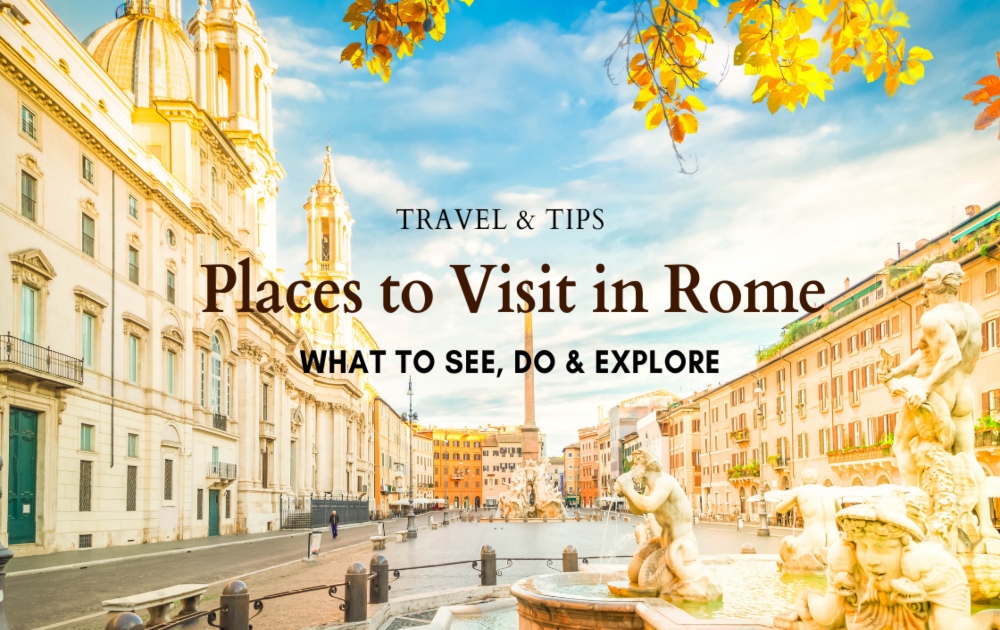
Named after its legendary founder, Romulus, Rome is that kind of a destination where you will find history everywhere, and that’s also around 2,000 years old! Referred to as the ‘Eternal City’, it feels like a living museum, boasting ancient ruins, head-turning cuisine, cobblestone streets, Renaissance masterpieces, lively piazzas, and awe-inspiring art and architecture—Rome, Italy’s hot-blooded capital, is one of the picturesque, captivating, and outstanding cities to visit. There are numerous places to visit in Rome, and you will always feel magical, whether you’re visiting the city for the first time or the n-th time. Especially when events like Easter in Rome are round the corner, the city feels most extraordinary. Explore this guide to know about top attractions in Rome, what to do, what to expect—in a nutshell, how to uncover Rome smartly. Have a read!
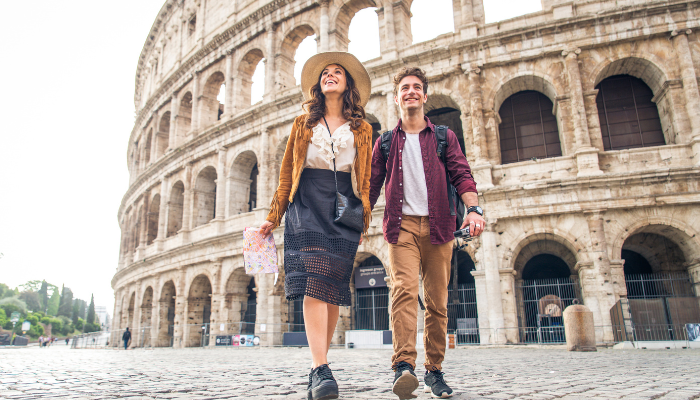
Iconic Places to Visit in Rome
While planning a Rome itinerary, always remember that Rome is vast. So, if you’re short on time, start with the classics. Here’s the list:
Colosseum
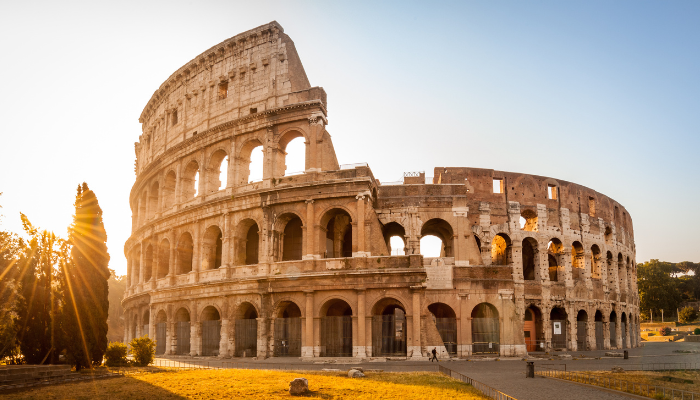
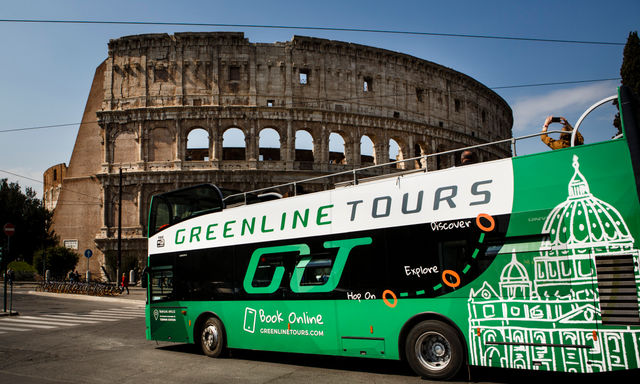
It’s magical when you just catch the first glimpse of the Colosseum, especially closer to sunrise! The symbol of ancient Rome, seated in the center of the city, the Colosseum is basically an elliptical amphitheater built of travertine limestone. While visiting this attraction, you shouldn’t miss exploring its different parts like the arena, entry and exit gates, the Hypogeum, columns, and arches.
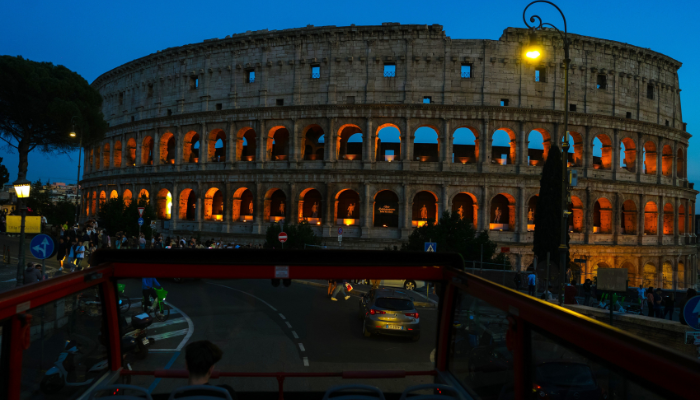
Pro tip: If possible, try to visit it at night also, as the Colosseum at night, decorated in lights, is a breathtaking sight to see.
Roman Forum
Also known as the Forum Romanum (in Latin), the Roman Forum is the next attraction you should visit after the Colosseum. Situated right next to the Colosseum, this place was once the heart of ancient Rome. Today, it’s a wide stretch of ruins, broken columns, and ancient roads. But if you slow down, you’ll realize this is where emperors walked, speeches were delivered, and history changed. Don’t rush; it looks like “just ruins” at first, but you’ll find the biggest story in its corners.
Pro tip: Climb toward Palatine Hill for one of the best views over the Forum.

Pantheon
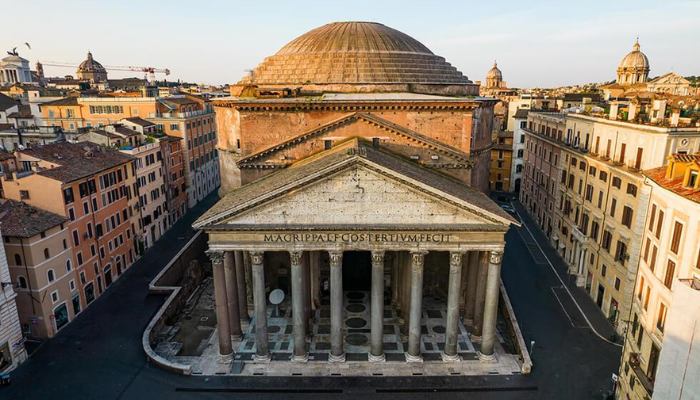
From outside, the Pantheon looks strong and simple, but once you step inside and look up, you’ll be mesmerized by its architectural details. The massive dome with its open oculus in the center is stunning. When sunlight pours through that circular opening, the entire space feels alive. It’s one of the best-preserved ancient buildings in the world, and it’s still standing strong after nearly 2,000 years.
Pro tip: If possible, visit it on a rainy day, as watching the rains falling down through the columns is something you cannot forget in your whole life.
Trevi Fountain
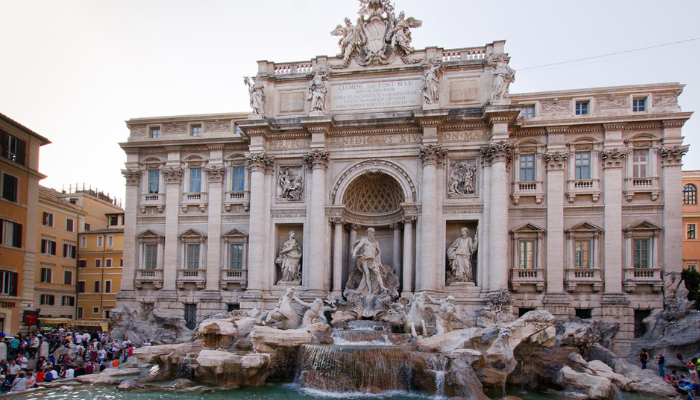
You’ll hear the Trevi Fountain before you see it.
Tucked between narrow streets, it suddenly opens into a grand Baroque masterpiece. The tradition? Toss a coin over your shoulder with your right hand, which means you’ll return to Rome someday. And honestly, after seeing it, you’ll want to.
Pro tip: Go very early in the morning or late at night. Midday crowds can be intense, but recently the authority introduced an entry fee to control them.
St. Peter’s Basilica
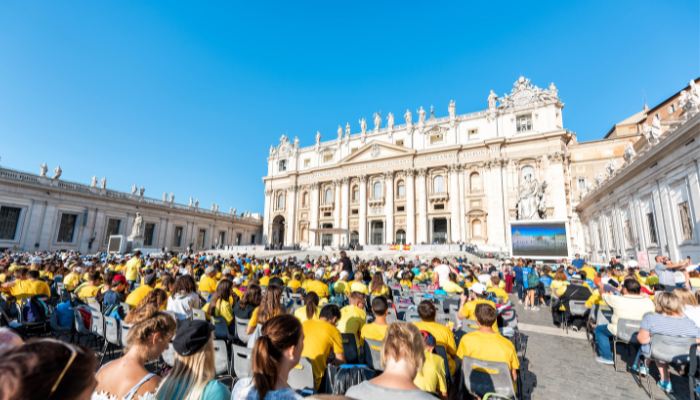
Walking into St. Peter’s Basilica feels overwhelming in the best way. The scale is massive. The details are intricate. And Michelangelo’s Pietà is quietly powerful. Climb up to the dome if you can, for the view over St. Peter’s Square and Rome’s rooftops is worth every step.
If you’re visiting during Easter in Rome, this is where major papal events take place. The atmosphere becomes deeply spiritual and emotional. If you’re planning around this time, check out this guide on things to do in Rome at Easter and what to expect during the traditional Easter celebration..
Pro tip: You have to dress modestly. Your shoulders and knees must be covered.
Vatican Museums & Sistine Chapel
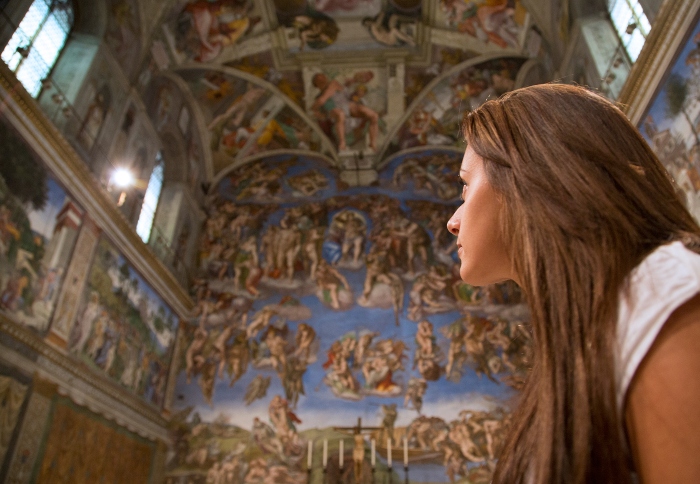
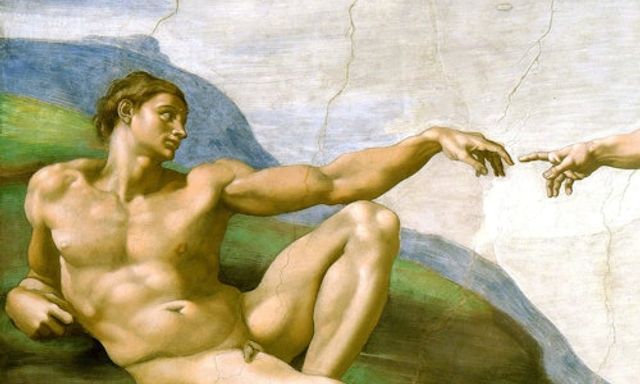
The Vatican Museums are huge. Once you enter here, you’ll walk through galleries filled with sculptures, tapestries, and Renaissance masterpieces. Then comes the highlight—the Sistine Chapel. When you finally look up at Michelangelo’s ceiling, it’s quiet. Even with the crowd.
Pro tip: This place remains closed on Easter Sunday and Monday as a part of the Easter celebration in Rome. So, plan your schedule accordingly.
Trastevere
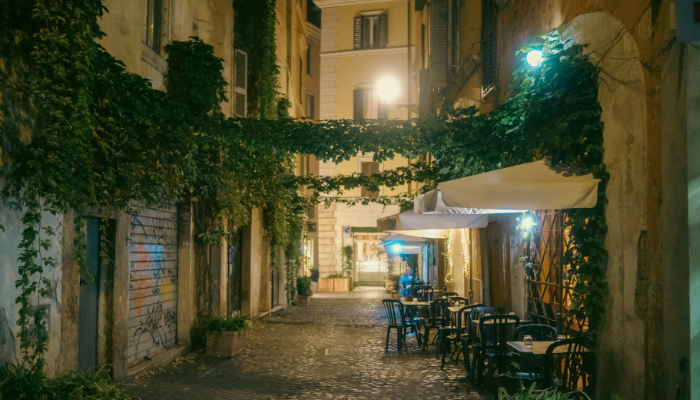
Image credit: Mariano Alvarez for Unsplash
If you feel your Rome sightseeing is too touristy and you want to feel Rome instead of just seeing it, head to Trastevere. The place is all about cobbled streets, small trattorias, and laundry hanging between buildings—it’s all about living in and being local.
If you want to dive into the vibe, visit it in the evening, order pasta, and just sit. This is one of the best things to do in Rome when you want to slow down.
How to Explore Rome Smartly

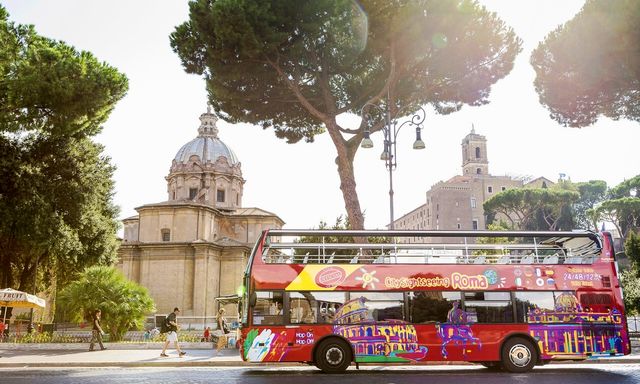
The best way to discover a city as a traveler is to walk around it—we all know that. Rome is also walkable. But imagine this: you’re coming to Rome for the first time, you don’t know the local language, you don’t want to stress while navigating between the corners, and, moreover, there is a forecast for bad weather—what’ll you do? There is a solution—the Rome hop on hop off bus tour—the ultimate solution to make things easier. It connects major landmarks and saves your energy.
If you’re satisfied with your Rome sightseeing bus tour and want another unique option to explore the city—by water, along the Tiber River—boat tours in Rome are your savior. It’s slower, scenic, and gives you a different view of the city.
Visiting Rome During Easter
Easter is one of the most meaningful times to visit Rome. The city fills with pilgrims, religious ceremonies, and special masses. St. Peter’s Square hosts Papal events, and many churches hold unique services.
However, it’s also a busy period. Attractions may have adjusted hours, and crowds can be large. Booking tickets in advance and planning your itinerary carefully is essential. If you’re considering Easter in Rome, combine spiritual experiences with early-morning sightseeing to balance your schedule.
Practical Travel Tips for Rome Sightseeing
- Best time to visit: Spring (April–June) and autumn (September–October) offer pleasant weather.
- How many days: 3–4 days allow you to see major highlights comfortably.
- Book in advance: Especially for the Vatican and Colosseum.
- Dress code: Modest clothing is required for churches (covered shoulders and knees).
- Start early: Popular attractions are less crowded in the morning.
Final Thoughts
The best places to visit in Rome aren’t just about monuments—they’re about moments. The quiet sunrise at the Colosseum. The echo inside the Pantheon. The crowd at Trevi Fountain. The calm of Trastevere at night. Rome isn’t a checklist city. It’s a city you experience.
And once you do, you’ll understand why people always come back.