Everyone knows, Singapore was just a layover destination. But, ever since it has evolved itself from being a layover destination to one of the top-ranking tourist destinations, the place has become a major global attraction for both kids and adults. It is now one of those places that can make a family holiday feel surprisingly easy. Singapore City is clean, public transport is efficient, English is widely spoken, and you can move from a rainforest-style zoo to a futuristic garden or a sandy beach without spending hours on the road. However, the truth is, if you’re planning to explore Singapore with kids, you better plan it beforehand. The correct approach is to slow down, choose a few big attractions and leave room for play, food and rest. If you’re confused right now, here’s our ultimate Singapore family travel guide. Give a read!
Is Singapore Good for Families?
According to real family travellers, yes, Singapore is good for families, particularly if this is your first trip to Southeast Asia with children.
Singapore boasts of many of the things parents look for in a family destination: reliable transport, a wide choice of accommodation, plenty of indoor attractions and activities for different ages. The MRT makes getting around relatively straightforward, while the city’s mix of cultures means that even a simple walk can turn into a sightseeing experience.
Food is another advantage. Singapore’s hawker centres offer a huge range of affordable meals, so families don’t have to rely on expensive restaurants for every meal. Hawker culture is also an important part of Singapore’s food heritage.
The main challenge is the climate. It is warm and humid throughout the year, and heavy rain can arrive suddenly. For families, this means planning your days around the weather rather than trying to follow a rigid sightseeing schedule.


Best Time to Visit Singapore with Kids
Singapore is a year-round destination, but some months may feel more comfortable than others.
The city is generally hot and humid throughout the year because of its location close to the equator. May and June tend to be among the hotter months, while December and January can be wetter. February to April is generally a drier period, although rain is possible at any time.
For families, weather is only one part of the decision. School holidays and major events can also affect crowds and prices.
A practical strategy is to plan outdoor attractions for the morning, when everyone still has plenty of energy, and keep indoor attractions for the hottest part of the afternoon.
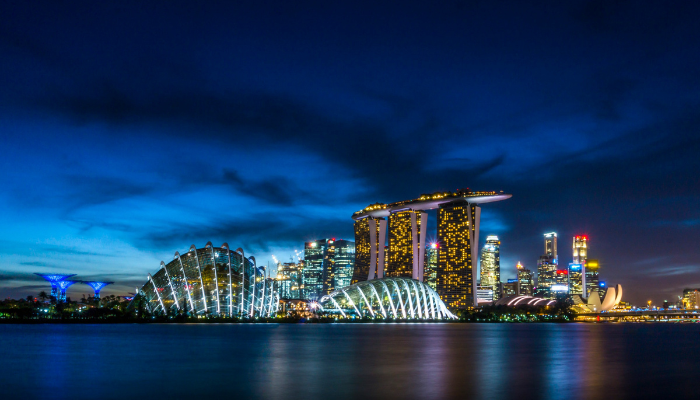
Image credit: Mike Enerio for Unsplash
How Many Days Do You Need in Singapore with Kids?
Three days is a good starting point for a family trip to Singapore. It gives you enough time to see the major sights without making every day feel like a race.
Two days
If you have only two days, focus on the city’s biggest highlights:
- Gardens by the Bay and Marina Bay
- Sentosa Island
- One major family attraction such as the aquarium or Universal Studios Singapore
Three days
Three days gives you a more comfortable balance:
- Day 1: Marina Bay and Gardens by the Bay
- Day 2: Singapore Zoo or another Mandai attraction
- Day 3: Sentosa
You can add Chinatown or another neighbourhood during an evening rather than dedicating a whole day to it.
Four to five days
With four or five days, you can slow the pace down. Add a museum, Botanic Gardens, Changi’s Jewel, a water park or a cultural neighbourhood such as Katong-Joo Chiat.
The extra time is particularly useful with toddlers because you can return to the hotel for a nap or swim without feeling that you are losing half the holiday.
Best Attractions for Families in Singapore
Singapore has attractions for babies, toddlers, school-age children and teenagers, so the best choices depend on your children’s ages and interests.
Gardens by the Bay
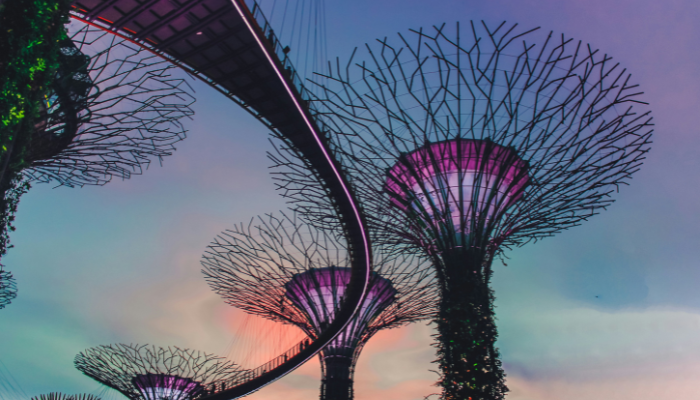
Image credit: Victor for Unsplash
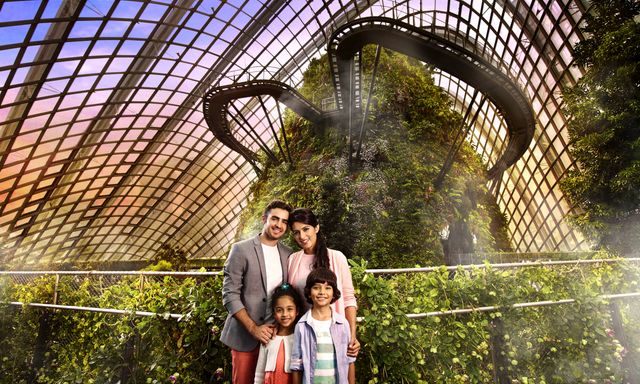
Gardens by the Bay is one of the easiest places to introduce children to Singapore’s futuristic side. The Supertree Grove is instantly recognisable, while the Cloud Forest and Flower Dome offer a cooler break from the outdoor heat.
Younger children can also enjoy the Far East Organization Children’s Garden, which has water-play areas and spaces designed for children.
Best for: All ages
Time needed: Half a day
Parent tip: Save the Supertrees for the evening if you want to see them illuminated.
Singapore Zoo
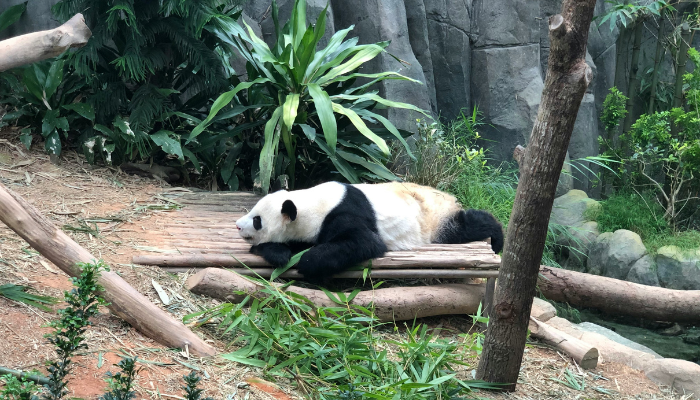
Image credit: umar farook for Unsplash
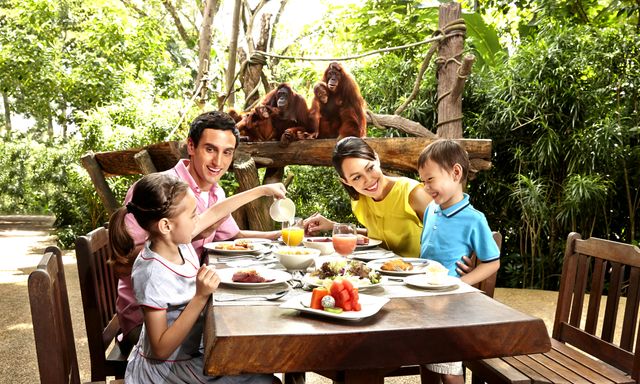
If your children love animals, put Singapore Zoo high on your list. The zoo is designed around naturalistic habitats, with animals such as elephants, orangutans and tigers among its residents.
The attraction can easily take several hours, so avoid pairing it with another major attraction on the same morning.
Best for: Toddlers to teenagers
Time needed: Half to full day
Parent tip: Start early to make the most of the cooler part of the day.
Night Safari
Night Safari offers something different from a daytime zoo visit: you see nocturnal animals after dark.
It can be exciting for older children, but parents travelling with toddlers should consider bedtime. If your child struggles with late nights, Singapore Zoo may be the easier choice.
Best for: School-age children and teenagers
Time needed: Evening
Bird Paradise
Bird Paradise is a colourful alternative to a traditional zoo day, with walk-through aviaries where families can see birds such as penguins, flamingos, hornbills and lories up close. Children can also watch animal presentations and, at selected times, hand-feed lories and lorikeets.
It is particularly good for families because the visit isn’t limited to wildlife viewing. Younger children can cool off at Egg Splash, a water-play area with dedicated zones for toddlers and older children, while Treetop Play offers trampolines and climbing nets.
Best for: Toddlers to teenagers
Time needed: 3–4 hours
Parent tip: Bring a change of clothes if your children want to use Egg Splash. Wagons and trikes are also available for families travelling with younger children.
Sentosa Island
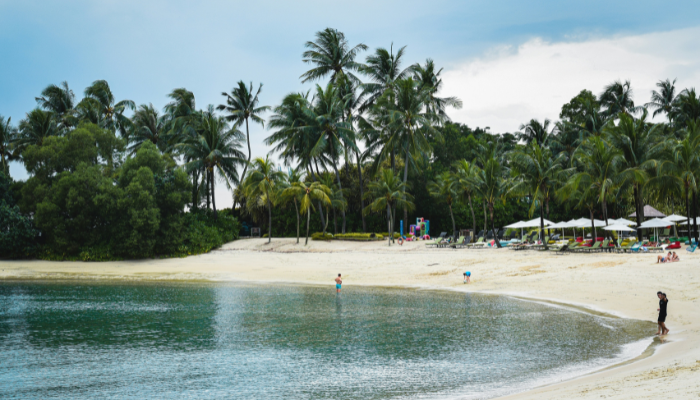
Image credit: Sohan Rayguru for Unsplash
Sentosa Island is less of a single attraction and more of a collection of family activities. You can spend the day moving between beaches, attractions, water activities and entertainment.
The island is connected to mainland Singapore by road, cable car, monorail and boardwalk, giving families several ways to get there.
Best for: All ages
Time needed: Half to full day, or longer
Parent tip: Don’t try to see all of Sentosa in one visit. Pick two or three activities.
S.E.A. Aquarium
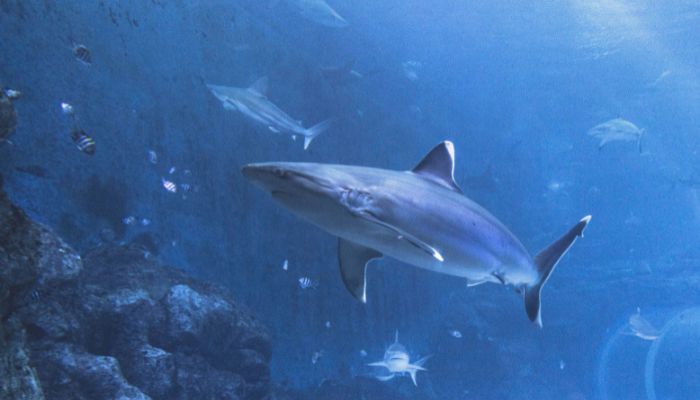
Image credit: Prahbu Isawaran for Unsplash
An aquarium is always useful to have in a family itinerary, particularly when the weather is too hot or wet for outdoor sightseeing.
The large marine displays in S.E.A. Aquarium make it a good choice for younger children, while older kids may enjoy learning about the different species and habitats.
Best for: Toddlers to school-age children
Time needed: Around 2–3 hours
Universal Studios Singapore
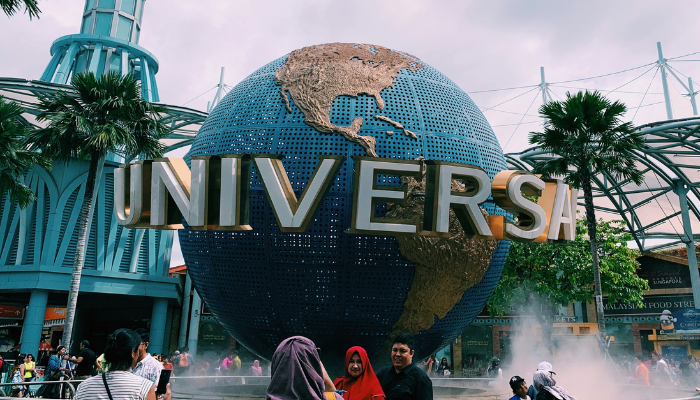
Image credit: Ilyani Nasir for Unsplash
Universal Studios is the obvious choice for families with children who love rides, films and theme parks.
It is better suited to children who meet the height requirements for the rides, although younger visitors can still enjoy character encounters and themed areas.
Best for: School-age children and teenagers
Time needed: Full day
ArtScience Museum
For a break from theme parks and wildlife, head to the ArtScience Museum. Its exhibitions combine art, science, technology and interactive experiences.
It is also a useful rainy-day option when you want something engaging without spending hours outdoors.
Best for: School-age children and teenagers
Time needed: 2–3 hours
Children’s Museum Singapore
The Children’s Museum is designed around hands-on learning rather than traditional displays. It gives younger visitors an opportunity to interact with exhibits and learn through play.
This is one of the better choices if you are travelling with primary-school children and want an activity that is educational without feeling like a classroom.
Best for: Younger children
Time needed: 2–3 hours
Jewel Changi Airport
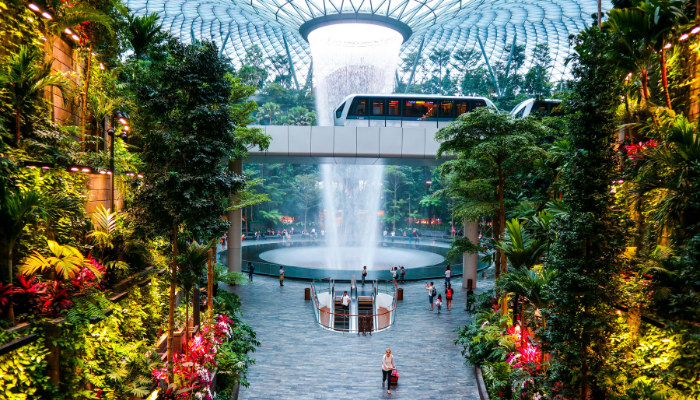
Image credit: Sreehari Devadas for Unsplash
Don’t assume your Singapore sightseeing has to begin after you leave the airport. Jewel Changi is an attraction in its own right, with the Rain Vortex, greenery, shops, restaurants and family-friendly entertainment.
It can work particularly well on arrival or departure day, depending on your flight schedule.
Best for: All ages
Time needed: 2–4 hours
Singapore Cable Car
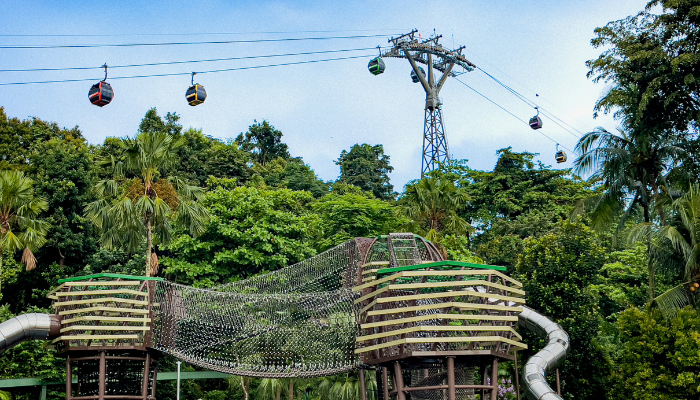
Image credit: Pushpinder Pal Singh for Unsplash
The Singapore cable car turns the journey to Sentosa into part of the experience. Children get a different perspective of the harbour and surrounding city, and it saves you from making every transfer feel like a chore.
Best for: All ages
Time needed: Around 1–2 hours, depending on your plans
Free Things to Do in Singapore with Kids
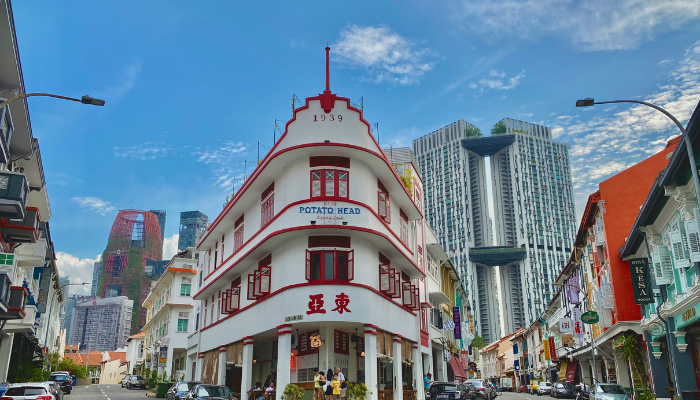
Image credit: David Kubovsky for Unsplash
You don’t need to buy attraction tickets every day to keep children entertained.
Try these free or relatively inexpensive options:
- Walk around Merlion Park
- See Marina Bay at sunset
- Visit the outdoor areas of Gardens by the Bay
- Explore Singapore Botanic Gardens
- Walk through Chinatown
- See the colourful shophouses of Katong-Joo Chiat
- Explore Little India
- Walk along the Singapore River
- Visit public areas around Jewel Changi
These activities are also useful for filling gaps between major attractions.
Things to Do in Singapore with Toddlers
Travelling with a toddler changes the way you plan a city break. Long sightseeing days and back-to-back attractions rarely work.
Instead, choose places where your child can move, play or look at something interesting without needing to follow a strict schedule.
Good choices include:
- Children’s Garden at Gardens by the Bay
- Singapore Zoo
- S.E.A. Aquarium
- Children’s Museum Singapore
- Jewel Changi Airport
- Singapore Botanic Gardens
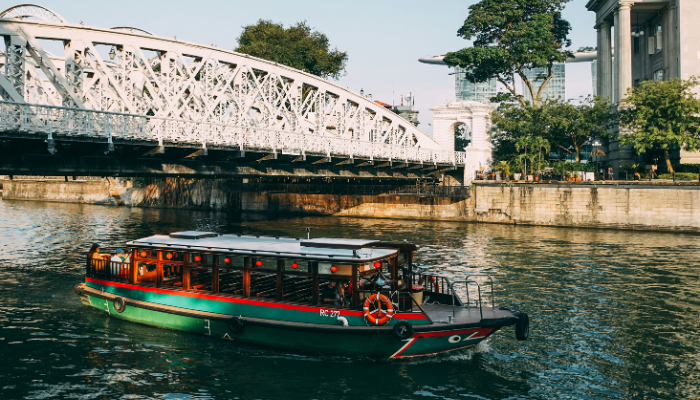
- A short Singapore river cruise
Try to keep one major attraction to each half-day and leave time for naps, snacks and unplanned stops.
Singapore with Older Kids and Teenagers
Older children usually need a little more action.
Depending on their interests, consider:
- Universal Studios Singapore
- Adventure Cove Waterpark
- Night Safari
- Singapore Cable Car
- Sentosa’s adventure activities
- ArtScience Museum
- MacRitchie Reservoir
- Chinatown and Little India
It would be great if you plan your Singapore trip by mixing up high-energy activities with slower ones. A theme park followed by another full day of attractions may sound exciting but it would be exhausting for the child.
Where to Stay in Singapore with Kids
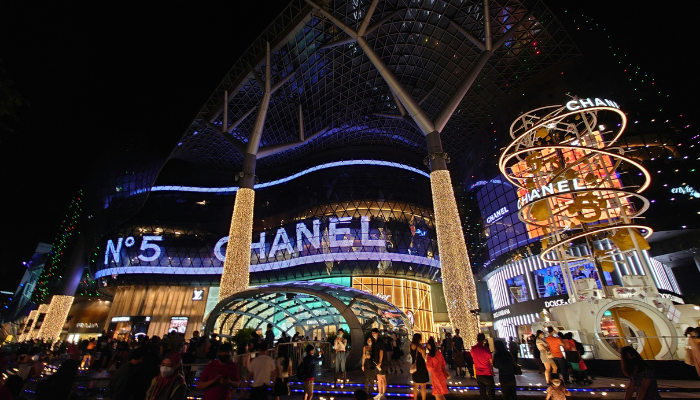
Image credit: Zheng Yuan Lee for Unsplash
The best neighbourhood depends on what matters most to your family.
Marina Bay: Good for first-time visitors who want to be close to major sights.
Orchard: Useful for families who like shopping, restaurants and easy MRT connections.
Chinatown: A convenient base for food, culture and transport.
Bugis/Kampong Glam: A lively area with food, shops and cultural attractions.
Sentosa: Best if your priority is resort-style relaxation and easy access to the island’s attractions.
Whatever area you choose, being close to an MRT station can save considerable time and tired legs.
How to Get Around Singapore with Kids
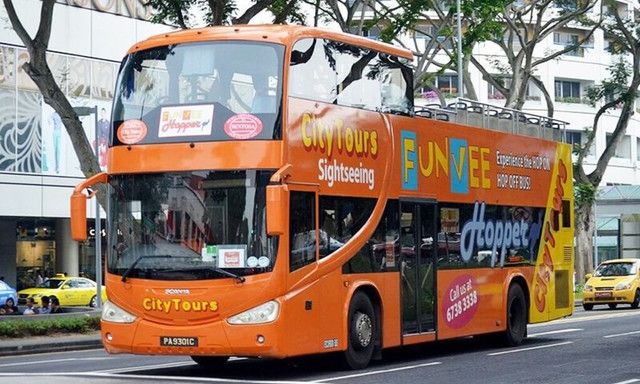
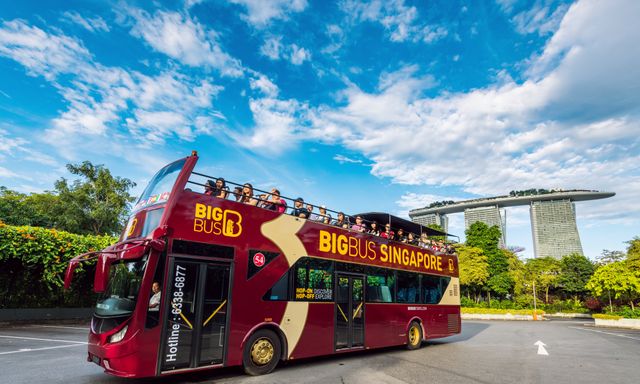
The MRT is generally the easiest way to travel around Singapore. It is fast, efficient, and connects many of the places families are likely to visit. Buses extend the network further, while taxis and ride-hailing services such as Grab and Gojek are available when you need a door-to-door journey.
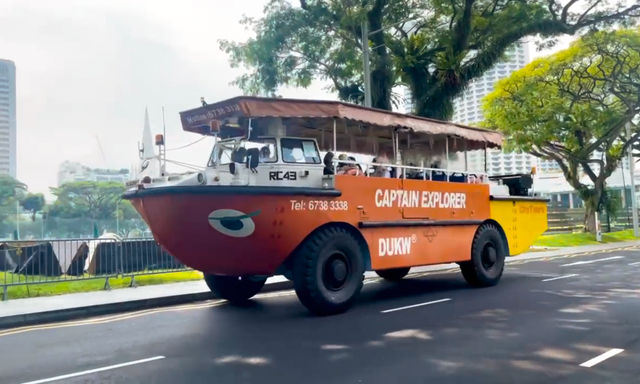
However, you can choose a Singapore Captain Explorer DUKw Tour to explore the city for a different perspective. Riding a World War II DUKw amphibious vehicle surely offers joyful sightseeing to the kids.
Walking also works well for shorter sightseeing routes, particularly within neighbourhoods.
With younger children, consider your stroller carefully. A lightweight stroller can be easier to manage when you’re moving between trains, pavements and attractions.
What to Eat in Singapore with Kids
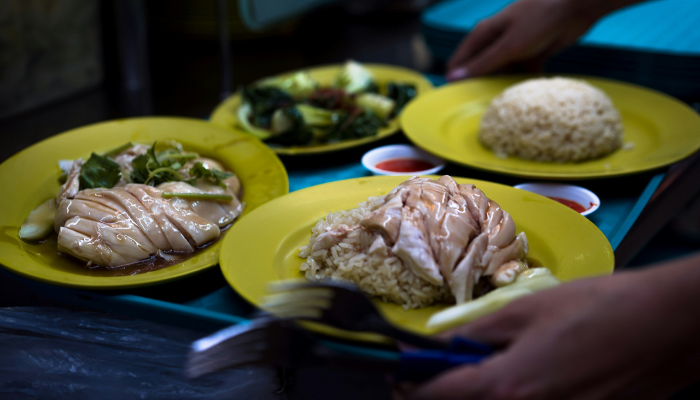
Image credit: Nauris Pūķis for Unsplash
Food can be one of the most enjoyable parts of Singapore travel with kids, even with picky eaters.
Hawker centres give families plenty of choice without requiring a formal restaurant meal every time. You can try local favourites while still finding simpler dishes for children.
Some foods worth trying include:
- Hainanese chicken rice
- Roti prata
- Satay
- Noodles
- Kaya toast
- Fried rice
- Fresh fruit and juices
If your child doesn’t enjoy spicy food, ask about milder versions and keep familiar snacks available between meals.
Singapore’s food culture also makes it relatively easy to accommodate different dietary preferences. For example, vegetarian food options are available at Chinatown Complex Market & Food Centre.
Singapore Travel Tips for Families
A few small changes can make a big difference.
Start early. Outdoor attractions are usually more comfortable before the strongest afternoon heat.
Don’t over-plan. One major attraction followed by a relaxed activity is often better than three ticketed attractions in one day.
Carry water. Singapore’s humidity can make you feel tired faster than expected.
Have a rainy-day backup. Museums, aquariums and indoor attractions can rescue a day when tropical rain arrives.
Check age and height restrictions. This is particularly important for theme parks, water parks and adventure activities.
Book popular attractions ahead. This is especially useful during school holidays and major events.
Stay near public transport. A hotel within easy reach of an MRT station can make family sightseeing much simpler.
Leave time for swimming or playing. Children don’t need every hour of a holiday to be educational.
Keep evenings flexible. A late-night light show might sound perfect, but it may not be worth sacrificing sleep if you are travelling with a toddler.
Wrapping Up: Is Singapore Worth Visiting with Kids?
Singapore is such a city that works particularly well for families because you can combine big attractions with simple experiences. One day might involve seeing orangutans at the zoo; the next could be spent wandering through Chinatown, eating at a hawker centre or watching the Supertrees light up after dark. Your 3-day Singapore itinerary must be planned with a perfect balance of iconic attractions, local experiences, and enough downtime to enjoy the city without feeling rushed.
The trick is not to treat the city like a checklist when you’re visiting Singapore with kids.
Give your children time to play, keep afternoons flexible and don’t be afraid to skip an attraction if everyone is tired. With a little planning, a family trip to Singapore can offer wildlife, culture, food, nature and plenty of fun without becoming an exhausting race from one attraction to the next.