Choosing the best time to visit Athens isn’t just about weather. It’s about how much you’ll spend and how you’ll experience this destination. Athens, Greece sees seasonal changes: approximately one million visitors arrive each month between November and March, whereas more than five times that number descend in August alone. This difference affects everything from accommodation costs to enjoying sites without the crowds. We’re breaking down Athens’ busy season vs quiet season, looking at the best time of year to visit Athens based on your budget and priorities. You’ll find your ideal Athens best time to travel, whether you’re planning Athens Greece weather by month or wondering about the best time to go to Athens.
Athens Busy Season (June-August): What to Expect

Image credit: Constantinos Kollias for Unsplash
Summer defines peak season, and the numbers tell the story. in June and escalate to 33-40°C+ in July, with August pushing 33-42°C during heatwaves. The Acropolis draws 12,000-17,000 visitors daily, and June-July visits jumped 80% compared to 2019 levels. Heat becomes the main challenge. The exposed hilltop offers minimal shade, and ancient marble surfaces radiate stored warmth well into the evening. The Acropolis closes during midday hours occasionally during severe heatwaves. Athens temperatures range from 28-34°C.
Pricing reflects demand. Mid-range hotels cost and represent a 30-40% increase above shoulder season rates. Flight costs peak, ferry schedules reach maximum frequency, and popular day trips require booking well in advance. Travelers should reserve accommodations 4-6 months ahead as Athens hotels reach capacity during July-August. EUR 120-150 per night.
Summer delivers clear advantages though. The Athens & Epidaurus Festival runs June through August and brings world-class performances to the Odeon of Herodes Atticus and Ancient Theater of Epidaurus. Beach season peaks with sea temperatures reaching 26-26.5°C. Strategic timing matters: arrive at 8am opening or visit after 5pm when tour groups depart and temperatures moderate. Early June and late August offer fewer crowds than the mid-summer peak.
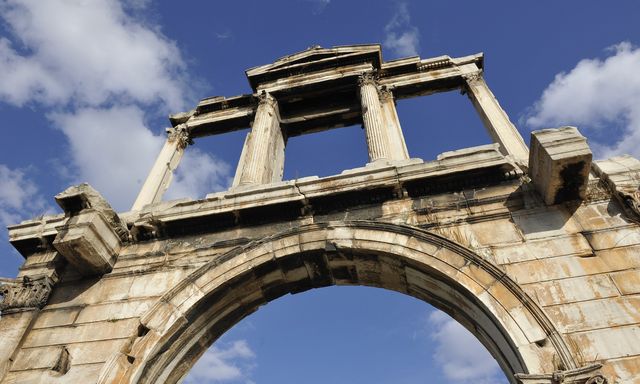



Athens Quiet Season (November-March): The Budget-Friendly Alternative
Winter changes Athens into a destination where financial savings meet cultural immersion. below summer pricing. Quality mid-range properties average EUR 50-80 per night. Flight deals emerge during these months, and roundtrip tickets from US cities fall to USD 500-700. Archeological sites reduce entry fees to EUR 10, a 50% discount from peak season. Many attractions offer free admission on the first Sunday of each month from November through March. Hotel rates drop 30-50% compared to summer. This creates an exceptional experience at the Acropolis and other major sites. Museums like the Acropolis Museum see relaxed exploration opportunities, especially in January and February. Athens maintains full operations year-round. Restaurants, shops and cultural venues function at capacity. Athens International Airport handled 2 million passengers in January 2026, growing 8.6% year-over-year.
Weather requires realistic expectations. November averages 14.5°C and cools to 10-11°C in December and January. Rainfall reaches 10.5-13 days monthly. Sunshine drops to 4-5 hours daily. Sea temperatures fall to 15.5-16°C (60°F) and eliminate swimming as an option. Ferry schedules to nearby islands like Aegina, Poros and Hydra continue operating, though with reduced frequency. December 2024 tourism receipts grew 33.3%, a signal of strong winter appeal.
Shoulder Seasons (April-May & September-October): The Money-Saving Sweet Spot

Image credit: Dimitris Kiriakakis for Unsplash
Spring and fall deliver what most travelers want: savings without sacrifice. April through May and September through October represent the best time of year to visit Athens for balanced experiences. compared to summer peaks, with mid-range hotels averaging EUR 90-130. Flight prices decrease through fall months and reach USD 650-850 from US East Coast cities by late October. Accommodation costs drop 20-30%
Weather conditions remain favorable. April averages 19.6°C with 8 hours of sunshine, while May warms to 28°C. September maintains summer-like 29°C. October offers a comfortable 24°C. Rainfall stays minimal at 4-8 days monthly. September delivers the warmest sea temperatures of the year at 25-26°C because water lags air temperature by about two months.
Crowd levels drop 40-50% below summer peaks. The Acropolis sees manageable visitor numbers compared to the overwhelming 16,000+ daily summer influx. Sites extend operating hours to 8 AM-8 PM starting April 1. Hop on hop off Athens bus tours maintain full schedules, with routes covering the Acropolis and Cape Sounion tours operating naturally. Athens Riviera routes run smoothly as well.
Booking windows matter: reserve accommodations 3-4 months ahead for April-May, or 45-60 days for fall.
Athens Seasonal Comparison Table
Best Time to Visit Athens: Cost and Experience Breakdown
| Attribute | Busy Season (June-August) | Quiet Season (November-March) | Shoulder Seasons (April-May & Sept-Oct) |
| Temperature Range | 28-42°C (June: 28-34°C, July: 33-40°C+, August: 33-42°C) | 10-14.5°C (Nov: 14.5°C, Dec-Jan: 10-11°C) | 19.6-29°C (April: 19.6°C, May: 28°C, Sept: 29°C, Oct: 24°C) |
| Mid-Range Hotel Costs | EUR 120-150 per night | EUR 50-80 per night (30-50% discount) | EUR 90-130 per night (20-30% discount) |
| Flight Prices (from US) | Peak pricing | USD 500-700 | USD 650-850 (East Coast, late October) |
| Daily Visitors to Acropolis | 12,000-17,000 daily | 70% fewer than summer | 40-50% fewer than summer peaks |
| Entry Fees | Standard pricing | EUR 10 (50% discount) + Free first Sunday monthly | Not mentioned |
| Rainfall | Minimal | 10.5-13 days monthly | 4-8 days monthly |
| Daily Sunshine Hours | Maximum | 4-5 hours | 8 hours (April) |
| Sea Temperature | 26-26.5°C | 15.5-16°C (not suitable for swimming) | 25-26°C (September warmest of year) |
| Booking Window | 4-6 months ahead | Not specified | 3-4 months (spring), 45-60 days (fall) |
| Special Features | Athens & Epidaurus Festival, peak beach season, maximum ferry frequency | Free museum admission (first Sunday), full city operations, growing winter tourism | Extended site hours (8 AM-8 PM from April 1), balanced weather and crowds |
| Main Challenges | Extreme heat, occasional midday closures, 30-40% price premium, massive crowds | Cold weather, limited sunshine, no swimming, reduced ferry schedules | Not mentioned |
| Best Strategy | Visit at 8 AM opening or after 5 PM; choose early June or late August | Plan for indoor activities, take advantage of free admission days | Book 3-4 months ahead for spring |
Note: Visitor statistics show 1 million visitors monthly (Nov-March) versus 5+ million in August alone. This represents a substantial seasonal change in tourism volume.



Conclusion
Your ideal Athens visit depends on priorities. Summer delivers peak energy and beach weather, but you’ll pay EUR 120-150 nightly and battle intense crowds. Winter saves 30-50% on everything, though weather limits outdoor activities.
We’d recommend the shoulder seasons. Spring and fall are the sweet spot: pleasant 19-29°C temperatures, 40% smaller crowds, and 20-30% savings. Book your April-May trip 3-4 months ahead to get optimal availability.
TL;DR
Planning your Athens trip strategically can save you 30-50% on costs while dramatically improving your experience. Here’s what matters most:
- Shoulder seasons (April-May & September-October) offer the best value: Save 20-30% on hotels compared to summer, enjoy pleasant 19-29°C temperatures, and experience 40-50% fewer crowds than peak season.
- Summer (June-August) means extreme heat and premium prices: Expect temperatures reaching 33-42°C, hotel rates of EUR 120-150 per night (30-40% higher), and overwhelming crowds of 12,000-17,000 daily visitors at the Acropolis.
- Winter (November-March) delivers maximum savings but weather trade-offs: Hotel rates drop to EUR 50-80 per night with 70% fewer tourists, but temperatures fall to 10-14°C with limited sunshine and no swimming opportunities.
- September offers the warmest sea temperatures of the entire year at 25-26°C, making it ideal for combining cultural exploration with beach activities while avoiding summer’s extreme heat.
- Booking timing directly impacts availability and cost: Reserve accommodations 4-6 months ahead for summer, 3-4 months for spring, or just 45-60 days for fall shoulder season.
The bottom line: Unless you specifically need summer beach weather or winter’s rock-bottom prices, shoulder seasons deliver the optimal balance of comfortable conditions, manageable crowds, and significant savings for exploring Athens and Greece.