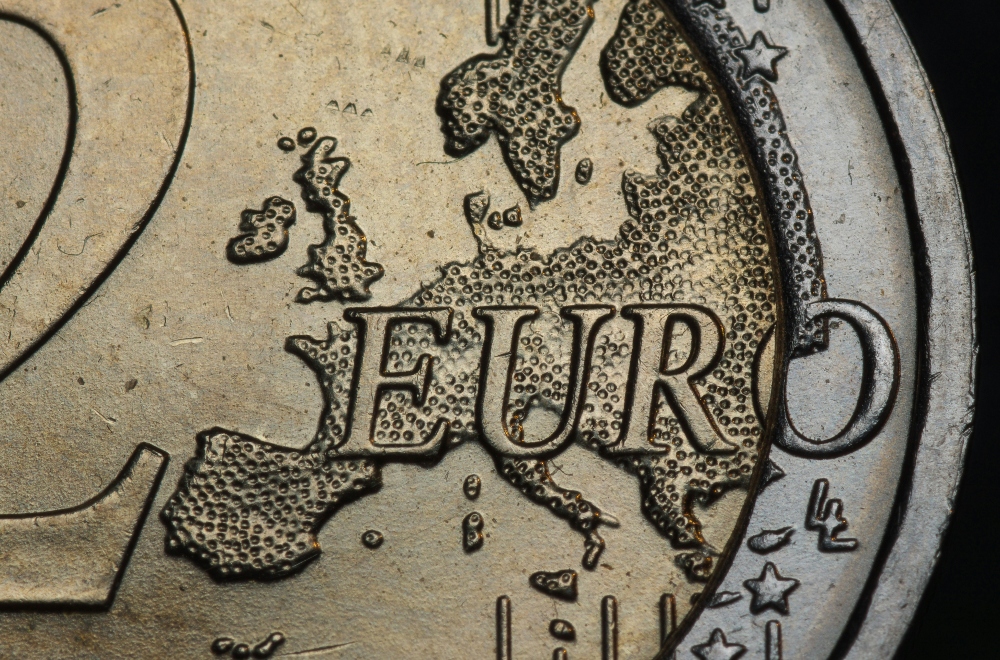
Europe has always had this reputation—beautiful, yes, but expensive enough to make you hesitate before even booking a flight. And honestly, that fear isn’t completely unfounded. You’ll still find €10 coffees and hotel rooms that cost more than your entire week’s budget back home. But here’s where most first-time travelers get it wrong: they treat Europe like one uniform destination.
It’s not.
In 2026, traveling Europe on a budget isn’t just possible—it’s actually quite realistic if you choose wisely. This guide walks you through the cheapest countries in Europe to visit in 2026, with real costs, grounded advice, and practical ways to stretch your budget without cutting corners on the experience.
Why Europe Can Still Be Affordable in 2026
Let’s clear something up first—Europe isn’t universally expensive. Some parts are. Others? Surprisingly manageable.
Cost Differences Across Europe
Think of Europe in layers:
- Western Europe (France, Switzerland, Netherlands): where your budget feels tight
- Central Europe (Poland, Hungary): more balanced
- Eastern & Balkan Europe: where things start to feel affordable, these are some budget countries in Europe
The difference is striking. A simple meal in Switzerland could cost €25. In Albania, you’d pay €5 for something just as satisfying.
That gap—that’s where your trip becomes possible.

What Makes a Country Budget-Friendly
Not every “cheap” destination is truly budget-friendly. Affordable countries in Europe for tourists in 2026 are which those work best usually have a few things in common:
- Lower cost of living
- Strong local food culture (which usually means cheaper meals)
- Reliable, inexpensive public transport
- Plenty of budget accommodation options
- Fewer tourist-heavy zones driving up prices
Get these right, and you’re looking at a daily spend of €25–€60, even in 2026.
Cheapest Countries in Europe to Visit in 2026
Now, let’s get into the destinations that actually deliver—places where your money goes further, but the experience still feels rich.
Albania: Europe’s Cheapest Coastal Escape
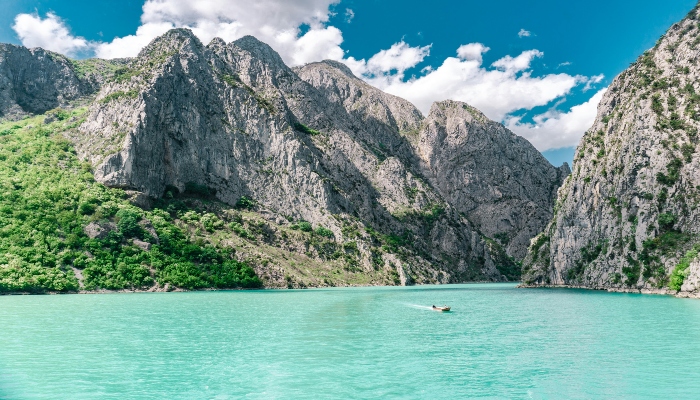
Image credit: Johnny Africa for Unsplash
Albania, one of the most affordable countries in Europe for tourists in 2026, feels like stepping into a version of Europe that hasn’t been overrun yet.
You get turquoise waters, quiet coastal towns, and historic cities, all without the inflated prices you’d expect in neighboring countries.
Average daily budget: €25–€45
Affordable cities in Albania: Shkodra (Shkodër), Elbasan, Berat & Gjirokastër, Tirana (Outside City Centre) and Korçë:
Why it stands out
- The Albanian Riviera is genuinely stunning
- Towns like Berat still feel authentic
- Food and transport are incredibly cheap
Local tip: Use shared minibuses (furgons). They’re not the most organized, but they’ll save you a lot.
Bulgaria: Culture, Cities, and Low Prices
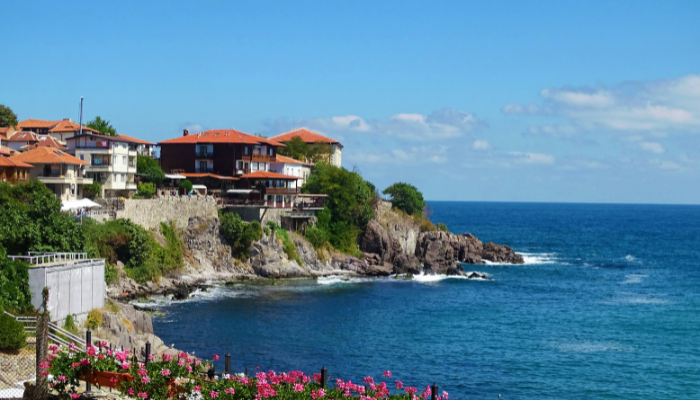
Image credit: Neven Myst for Unsplash
Bulgaria is one of those low cost countries in Europe for backpackers that quietly over-delivers.
It’s affordable, easy to navigate, and offers a mix of history, beaches, and everyday city life without the chaos of heavy tourism.
Average daily budget: €25–€50
Affordable cities in Bulgaria: Bansko, Plovdiv, Veliko Tarnovo, Varna, Burgas, and Stara Zagora & Pleven.
Why visit
- Cities like Sofia and Plovdiv have real character
- Street food is cheap and filling
- Coastal areas are far more budget-friendly than you’d expect
Local tip: Grab breakfast from local bakeries—you’ll eat well for under €2.
Romania: Fairytale Landscapes on a Budget
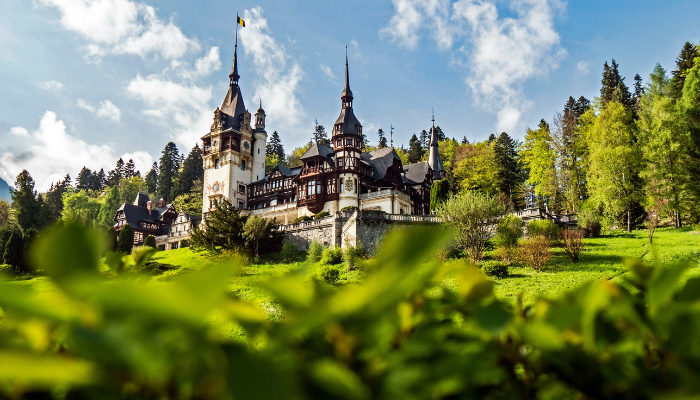
Image credit: Majkl Velner for Unsplash
Romania has that classic European charm—castles, mountains, cobblestone streets—but without the crowds or the price tag.
Average daily budget: €30–€50
Cities in Romania for budget travelers: Craiova, Iași, Oradea, and Sibiu
What makes it special
- Medieval towns that feel straight out of a storybook
- Scenic mountain routes
- A strong sense of history and folklore
Local tip: Train travel is cheap, but don’t expect speed. Build in extra time.
Poland: Affordable, Clean, and Easy to Travel
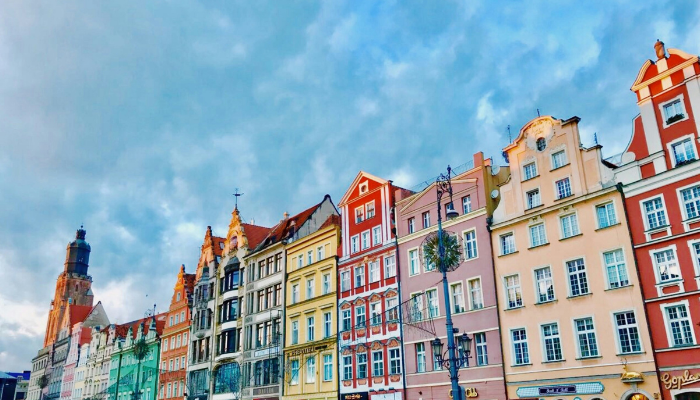
Image credit: Reiseuhu for Unsplash
Poland is one of the easiest countries to travel through—especially if it’s your first time in Europe.
Average daily budget: €30–€60
Some cities in Poland to visit on an affordable budget: Lubelskie and Podkarpackie
Why it works
- Efficient public transport
- Clean, safe cities
- Affordable traditional meals
Local tip: Eat at milk bars (Bar Mleczny). You’ll get full meals for less than €5.
Hungary: Budget Travel with a Premium Feel
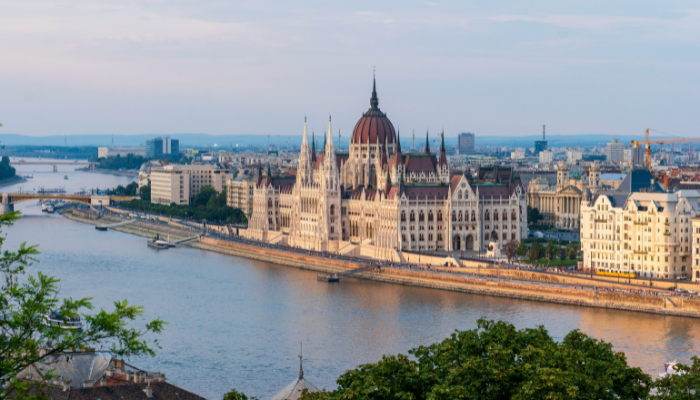
Image credit: Ervin Lukacs for Unsplash
Budapest has a way of making you feel like you’re spending more than you actually are.
Average daily budget: €35–€60
Affordable cities in Hungary: Debrecen, Szeged, Pécs, Miskolc, and Győr
Highlights
- Thermal baths that double as experiences
- Beautiful architecture at every turn
- A lively nightlife scene
Local tip: A transport pass is worth it—it simplifies everything and saves money.
Serbia: Europe’s Cheapest Nightlife Scene
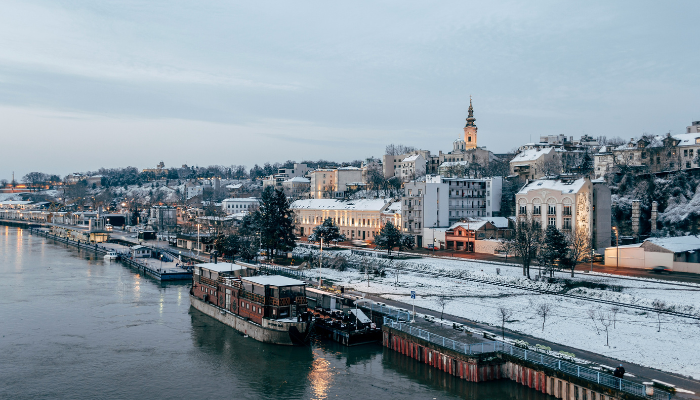
Image credit: Ljubomir Žarković for Unsplash
Serbia feels unfiltered—in a good way. It’s energetic, affordable, and far less polished than typical tourist hotspots.
Average daily budget: €25–€45
Which cities in Serbia are affordable: Niš, Subotica, and Kragujevac
Why travelers love it
- Nightlife that doesn’t cost a fortune
- Cheap, hearty food
- A more local, less tourist-driven vibe
Local tip: Entry to clubs is often free—but drinks inside can add up quickly.
Bosnia & Herzegovina: Underrated and Unforgettable
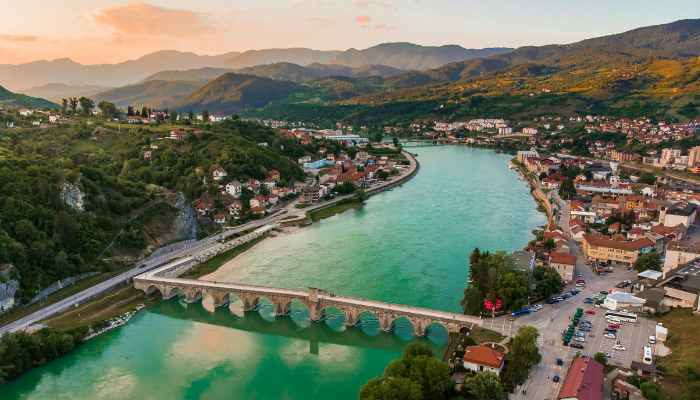
Image credit: Luka Korica for Unsplash
Bosnia isn’t just a destination—it’s a story. You’ll feel it in the streets, the architecture, and the conversations you have along the way.
Average daily budget: €20–€40
Cities to travel on an affordable budget: Sarajevo, Mostar, Tuzla, and Travnik
What stands out
- Mostar’s iconic bridge
- Sarajevo’s layered history
- A deeply authentic travel experience
Local tip: Stay in guesthouses. The hospitality alone makes it worth it.
Montenegro: Luxury Views on a Budget (If Planned Right)
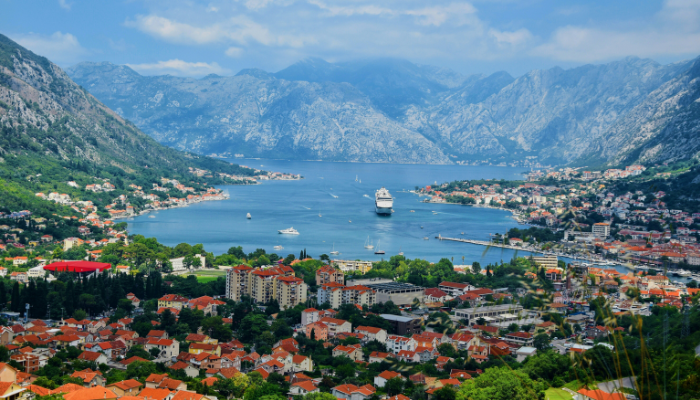
Image credit: olga brajnovic for Unsplash
Montenegro looks like it should be expensive—and in some places, it is.
But if you plan carefully, it can still fit a budget.
Average daily budget: €30–€60
Cities in Montenegro for budget travelers: Kotor, Tivat, Bar, and Ulcinj on the coast, plus Žabljak and Podgorica inland
Budget strategy
- Avoid peak summer months
- Stay outside major tourist hubs
Local tip: May and September offer the best balance of price and experience.
North Macedonia: Europe’s Cheapest Surprise
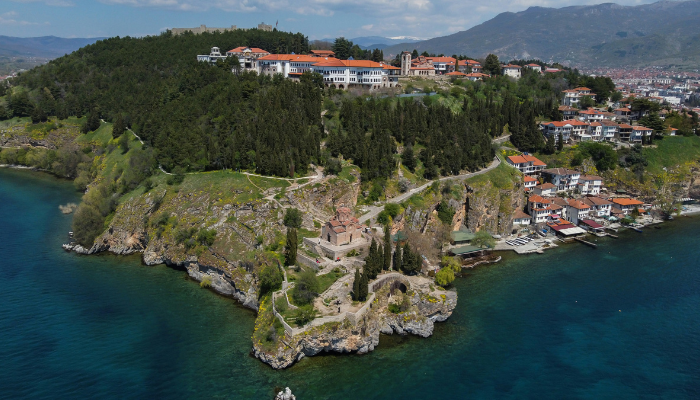
Image credit: Ljupco Dzambazovski for Unsplash
If your priority is saving money, this is where you’ll notice the biggest difference.
Average daily budget: €20–€35
Cheapest cities in North Macedonia to visit: Skopje (capital), Prilep, Bitola, and Struga
Why it’s unbeatable
- Extremely low overall costs
- Peaceful, scenic landscapes
- A slower, more relaxed pace
Local tip: Meals are generous—sharing is a smart way to cut costs.
Portugal: Western Europe on a Budget
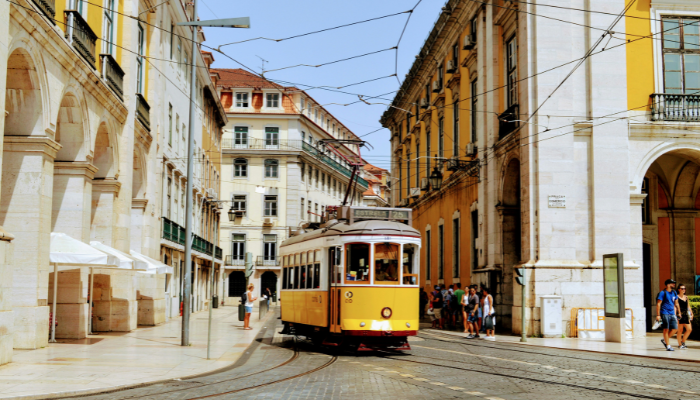
Image credit: Aayush Gupta for Unsplash
Portugal is one of the few places in Western Europe where your budget still holds up—if you plan well.
Average daily budget: €40–€70
Cities in Portugal for budget travelers: Fafe, Oliveira de Azeméis, and Vila Nova de Famalicão
Why it still works
- Public transport is affordable
- Local food (especially bakeries) is reasonably priced
- Budget accommodations are still available
Local tip: Walk a little away from tourist areas before eating—the price difference is noticeable.
Low cost countries in Europe for backpackers – Daily Budget Comparison (2026)
| Name of the countries | Daily budget (approximately in Euro) |
| North Macedonia | 20-35 |
| Albania | 25-45 |
| Bulgaria | 25-50 |
| Romania | 30-50 |
| Serbia | 25-45 |
| Poland | 30-60 |
| Hungary | 35-60 |
| Montenegro | 30-60 |
| Portugal | 40-70 |
How to Travel Europe on a Budget in 2026
Budget travel isn’t about missing out—it’s about making better choices. Below are some tips by applying which you can save bucks on your Europe trip:
Accommodation: Hostels and guesthouses are your best bet. Book early when you can.
Transport: Trains and buses are usually cheaper than flights—and often more convenient. And for sightseeing, you can go for a hop-on hop-off bus tour—cost-cutting option to explore a city.
Food: Eat where locals eat. Avoid the obvious tourist spots—here’s a detailed guide on how to avoid tourist traps in Europe that can save you a surprising amount of money.
Timing: Shoulder seasons (spring and autumn) make a big difference in cost.
Sample Budget Itinerary for First-Time Travelers
If you’re not sure where to start, keep things simple.
10–12 days:
Budapest → Belgrade → Sarajevo → Mostar
Day 1-3: Budapest (Culture + Café Start)
Day 1: Arrival + Slow Intro
- Check-in (District V or VII for walkability)
- Walk: Parliament → Danube Promenade → Chain Bridge
- Sunset at Buda Castle
Café stop: Espresso Embassy
Rest window: 3–5 PM (jet lag reset)
Day 2: Baths + Ruin Bars
- Morning: Széchenyi Thermal Baths
- Walk: Heroes’ Square → City Park
Lunch: Langos street food
Café: New York Café (splurge once)
- Evening: Ruin bars (Szimpla Kert)
Day 3: Slow Local Day
- Walk: Fisherman’s Bastion → Matthias Church
- Coffee + journaling session
Walking loop: Buda Hills viewpoints
Rest window: Afternoon nap or riverside chill
Travel: Budapest → Belgrade (Evening train/bus)
Budget tip: Night travel saves 1 night stay
Days 4–6: Belgrade (Underrated + Cheap)
Bonus: Public transport is free in Belgrade
Day 4: Arrival + Fortress Views
- Check-in near Old Town
- Walk: Kalemegdan Fortress (Danube + Sava views)
Café: Kafeterija
Rest window: Late afternoon
Day 5: Bohemian + RiversChide
- Walk: Skadarlija (cobblestone street vibes)
- Lunch: Local Serbian grill
Route: Republic Square → Skadarlija → Dorćol
- Evening: Sunset at Zemun riverside
Day 6: Chill + Culture
- Museum or Nikola Tesla Museum
- Café hopping + slow journaling day
Café: Pržionica Coffee
Rest-heavy day (important for slow travel pacing)
Travel: Belgrade → Sarajevo (~8 hrs, cheap bus)
Budget-friendly (€20–31)
Days 7–9: Sarajevo (History + Soul)
Day 7: Arrival + Old Bazaar
- Walk: Baščaršija (Ottoman core)
- Try Bosnian coffee (slow ritual)
Café: Miris Dunja
Rest window: Evening stroll only
Day 8: History + Walking Route
- Walk: Latin Bridge → War Tunnel Museum
- Understand Sarajevo’s past (important context)
Route: Old Town → Miljacka River walk
Sunset: Yellow Fortress
Day 9: Slow Café + Local Life
- Free morning (no agenda)
- Café hopping + people watching
Café: Ministry of Ćejf
Deep rest day (no rushing)
Travel: Sarajevo → Mostar (Scenic train) (One of Europe’s most beautiful rail journeys)
Days 10–11: Mostar (Compact + Scenic)
Day 10: Old Town + Bridge
- Walk: Stari Most (iconic bridge)
- Explore cobbled streets
- Café: Café de Alma (Bosnian coffee experience)
- Rest window: Riverside chill
Day 11: Day Trip + Nature
- Visit Blagaj Tekke (15 mins away)
- Relax by river spring
- Light walking only
- Mostar is small—slow it down, don’t overpack
Day 12: Exit Strategy
Option 1: Fly from Sarajevo
Option 2: Continue to Croatia (Dubrovnik/Split)
It’s a route that balances cost, culture, and ease of travel.
Common Budget Travel Mistakes to Avoid
- Trying to cover too many countries
- Booking accommodation at the last minute
- Eating near major attractions
- Ignoring public transport options
- Traveling in peak season
These might seem small—but they add up fast.
Final Thoughts: Travel Smart, Not Expensive
Europe doesn’t have to be a once-in-a-lifetime splurge. In 2026, the difference isn’t how much you spend—it’s where you choose to go. Pick the right countries, and suddenly Europe feels accessible. Not rushed, not stressful—just a trip you can actually enjoy without constantly checking your budget.
And honestly, that’s what makes it memorable.