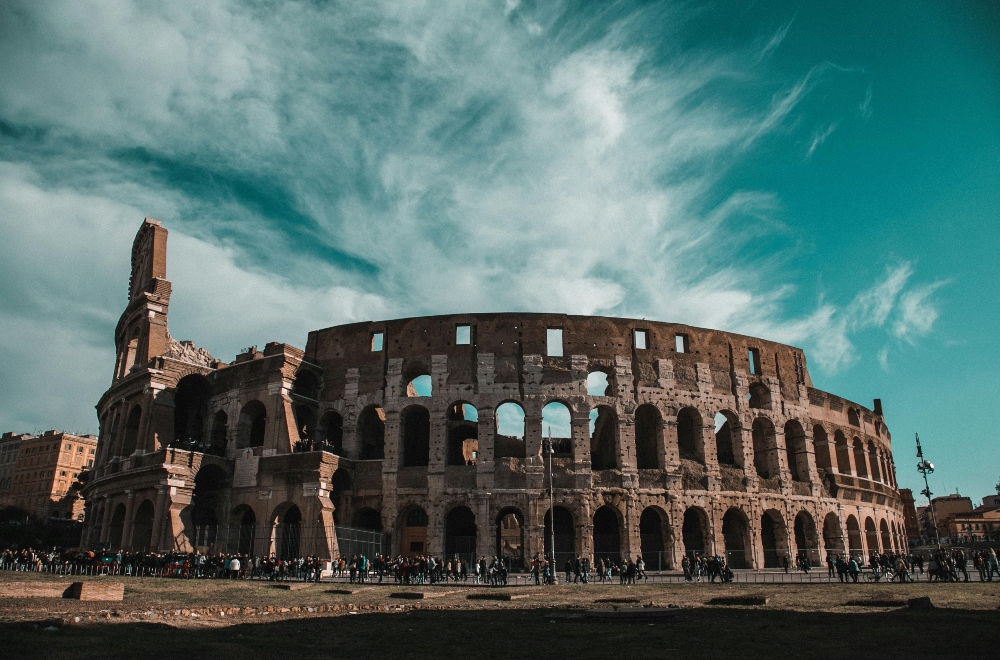
“Rome is not like any other city. It’s a big museum, a living room that shall be crossed one one’s tiptoes.” – Alberto Sordi
Rome is not just a capital city. Those who have visited Rome at least once often describe it as a country in itself. An epitome of nearly three millennia of human history, the city has developed a set of unspoken rules or customs that feel natural to locals but might surprise its first-time visitors. Here la dolce vita comes with its own laws or etiquettes, especially when it comes to dressing and dining, which can make your trip far more rewarding. This blog is purely based on the idea to make you aware of the essential do’s and don’ts in Rome. Every traveler, especially, the first-time visitors should keep these laws in mind while they navigate the must-see attractions in Rome. Read on!
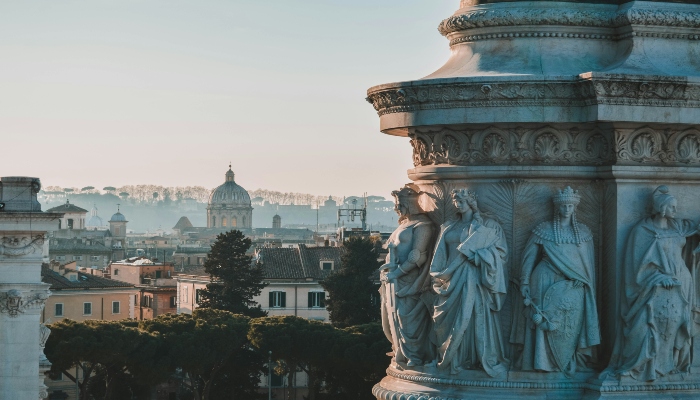
Image credit: Carlos Ibáñez for Unsplash
Rome Travel Guide for Beginners: Why Rome Feels So Intense at First
Rome doesn’t ease you in. Ancient ruins sit next to busy roads, locals rush past monuments you’ve dreamed of seeing your whole life, and “simple plans” suddenly take twice as long. Many first-timers feel overwhelmed not because they’re doing something wrong, but because Rome operates on its own rhythm.
Unlike newer cities, Rome was never designed for tourism—or modern efficiency. That’s why the most valuable Rome travel tips for first time visitors start with acceptance: delays happen, detours happen, and sometimes the magic is hidden inside them.
Once you stop fighting the city and start flowing with it, Rome opens up in unexpected ways.
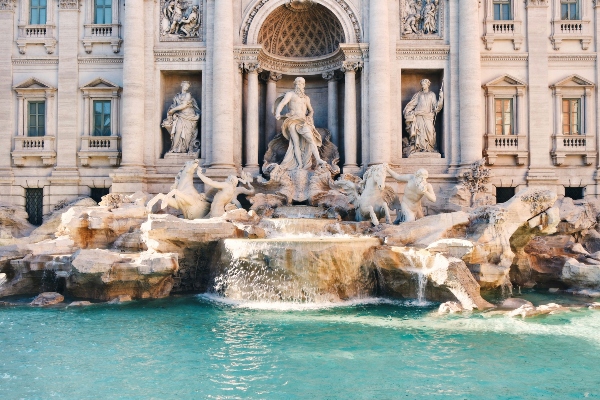
Image credit: Michele Bitetto for Unsplash
DO: Plan Your Days Gently, Not Aggressively
One of the biggest mistakes first-time visitors make is treating Rome like a checklist. On paper, it feels logical to squeeze the Colosseum, Roman Forum, Pantheon, Trevi Fountain, and Vatican into one day. In reality, that pace leads to exhaustion and shallow experiences.

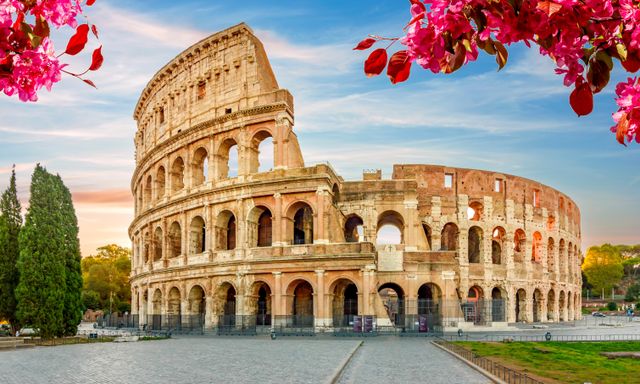

First time in Rome tips:
- Choose one major sight as your daily anchor
- Explore the surrounding area slowly
- Allow time to sit, snack, and wander
Yes, there are countless attractions, but the city’s soul often reveals itself in quiet side streets, not packed landmarks. Planning less doesn’t mean seeing less—it means remembering more.
DON’T: Rely on Last-Minute Tickets for Major Attractions
Many travelers assume they can simply turn up early and buy tickets on the spot. In Rome, this assumption can cost you hours—or the experience entirely.
The most popular attractions operate at near-capacity daily, especially during spring, summer, and weekends. This becomes painfully obvious when travelers queue for hours under the sun, only to discover time slots are sold out.
This is particularly true when visiting the Vatican Museums, where lines can stretch endlessly by mid-morning. Booking ahead isn’t about rigidity—it’s about protecting your energy and your time.
Expert tips:
Free access is available for the state-owned museums and archaeological sites on the first Sunday of each month. So, when planning your Rome itinerary, keep this in mind.
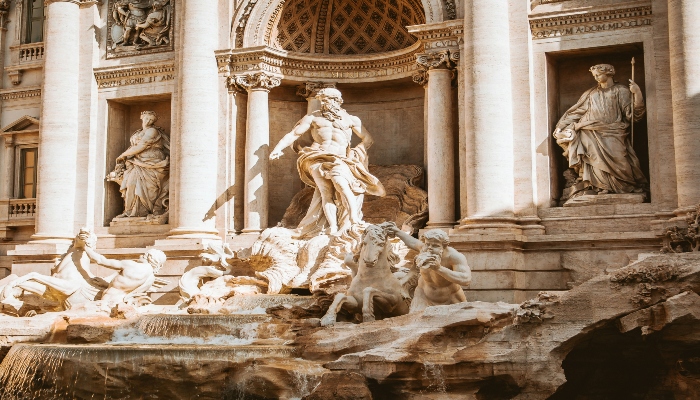
Image credit: Chris Czermak for Unsplash
DO: Take Roman Food Culture Seriously
Food in Rome isn’t just nourishment; it’s tradition. And like most traditions here, it follows unspoken rules. Travelers who ignore them often leave disappointed, convinced Rome’s food is overrated—when in fact, they simply ate the wrong way.
Romans eat slowly, at specific times, and rarely compromise on recipes.
To avoid frustration:
- Eat lunch and dinner during local hours (lunch around 1:30 PM and dinner around 8:00 PM)
- Avoid restaurants aggressively advertising to tourists
- Do not visit eateries that primarily focus on tourists as authentic Roman restaurants remain close between lunch and dinner hours
- Order classic Roman dishes instead of “international” options
If navigating this feels intimidating, guided Rome food and wine experiences can offer context, stories, and confidence—especially on a short trip.
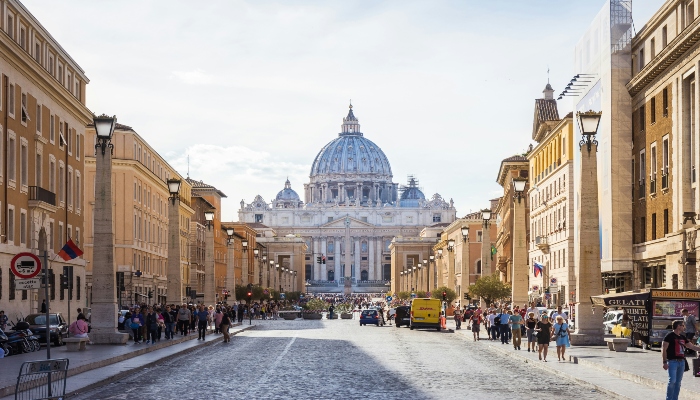
Image credit: Claudio Hirschberger for Unsplash
DON’T: Dine in A Restaurant or Cafe Overlooking Major Landmarks
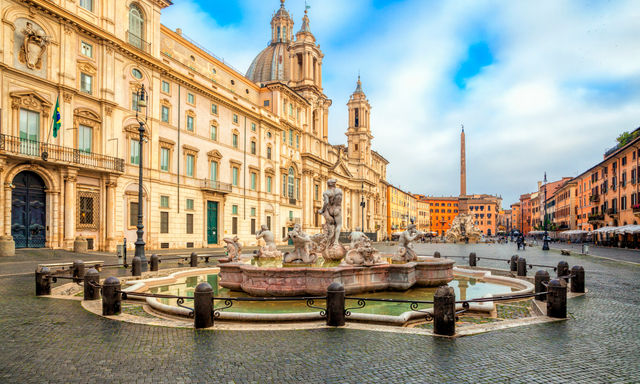
Avoid restaurants or cafes near major landmarks, especially where you see hosts calling you to enter; they often come as a tourist trap. Walk past the eateries where you notice tourists overflowing but not a single Roman, because the locals know these are the places where food is bad. Also, avoid restaurants that offer menus in multiple languages and pictures of dishes posted outside. Stroll down the piazzas or search a hidden gem on Google by ratings.
DON’T: Dress Casually Without Considering Context
Rome may look relaxed, but it’s deeply traditional—especially around religious sites. Every year, countless visitors are turned away from churches simply because they didn’t realize dress codes were enforced.
Understanding what to wear in Rome churches is essential:
- Shoulders must be covered
- Shorts and skirts should fall below the knee
- Shoes should be practical for walking
Expert tips:
A lightweight scarf or shawl in your bag can save you from awkward moments and missed visits, particularly at major basilicas.
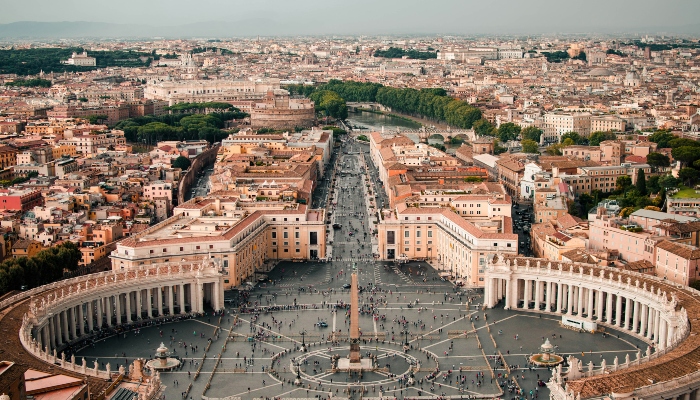
Image credit: Caleb Miller for Unsplash
DO: Walk as Much as You Can—But Be Strategic
Rome is one of Europe’s most walkable cities, but it’s also one of the most physically demanding. Cobblestones, uneven pavements, crowds, and heat all add up faster than most travelers expect.
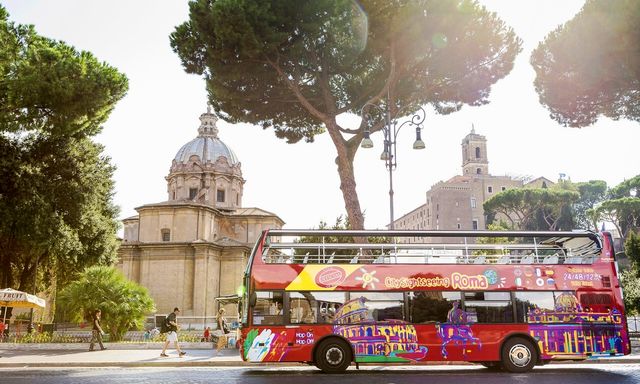
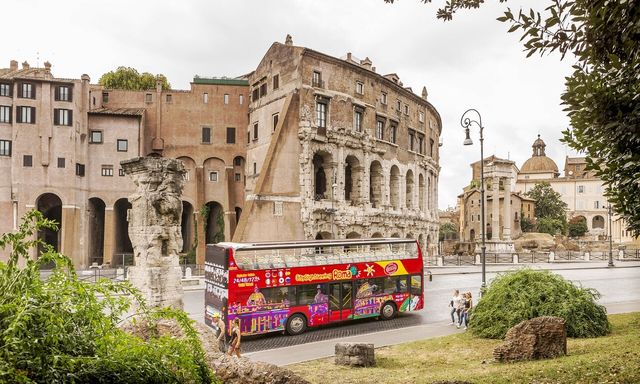
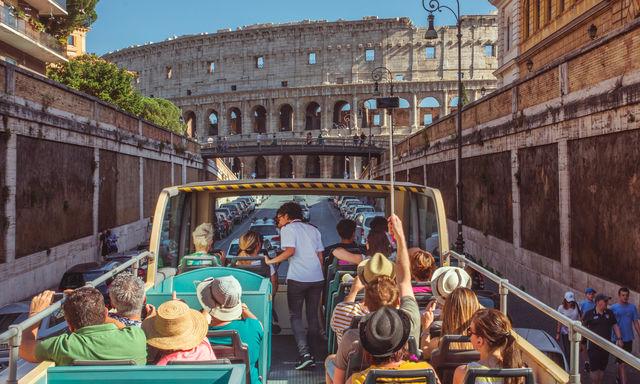
Walking is ideal for historic neighborhoods, but mixing transport methods makes a huge difference. For first-timers especially, getting around Rome with a hop-on hop-off bus can provide both orientation and rest while still covering major highlights.
Think of walking as a pleasure—not a test of endurance.
DON’T: Expect Rome to Follow Your Schedule
Rome has a habit of ignoring carefully planned itineraries. Churches close early without warning. Roads shut for events. Public transport pauses unpredictably.
Many first-time visitors feel stressed when plans derail. Seasoned travelers know this is simply Rome being Rome. Instead of forcing the plan, adjust it. Skip something. Linger somewhere else.
Rome isn’t impressed by efficiency—it rewards flexibility.

Image credit: Pixabay for Pexels
DO: Learn Basic Local Etiquette
Roman hospitality is warm but understated. Politeness matters, and small gestures shape how interactions unfold.
Things that make a difference:
- Greeting shopkeepers when entering
- Speaking softly indoors
- Validating metro and bus tickets
- Staying alert in crowded areas
These habits won’t make you invisible—but they’ll make you welcome.
DON’T: Forget to Rest (Rome Is Exhausting)
Rome is stunning, but it’s not gentle. Long walking days, standing queues, and sensory overload can wear you down quickly—especially on your first visit.
Smart travelers build recovery into their plans:
- Refill bottles at public fountains
- Avoid sightseeing during peak afternoon heat
- Balance intense days with lighter ones
A relaxing Rome boat tour along the Tiber is a perfect example of seeing the city without pushing yourself further.
Some General Tips for What to Do and Not Do in Rome
- Don’t sign any notebook or paper which is claimed to be a part of an organization promoting “No to drugs” campaign and others.
- Don’t schedule your itinerary on May 1st as some major attractions, public transport networks close on this day because of the Labor Day celebrations.
- Don’t sign any “guest book” when visiting the Pantheon. It might be a way of asking donations to the Savoia family.
- Don’t make a sign with your pinkie and index fingers as it is considered a vulgar sign in Rome.
- Don’t eat inside a museum or church.
- Don’t accept any gifts like flowers, toys and other stuff as you might be asked for donations in return.
- Do always bring your identification cards and passport with you, wherever you go.
- Do write the important stuff to remember before making your Rome itinerary. Always maintain a journal.
- Do learn some basic Italian words before you visit Rome. Some of them are:
- Ciao – Hi or Bye
- Buongiorno – Good day
- Buonasera – Good evening
- Grazie – Thank you
- Per favore – Please
- Prego – You’re welcome
- Mi scusi – Excuse me or Sorry
- Quanto costa? – How much does it cost
- Dov’è il bagno? – Where is the bathroom
- Biglietto – Ticket
- Treno – Train
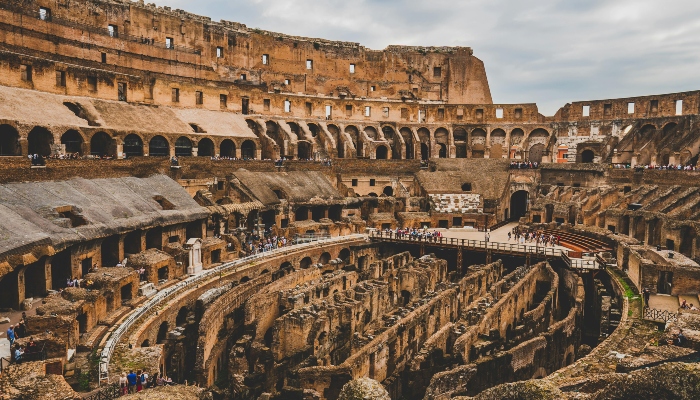
Image credit: Chait Goli for Pexels
Final Thoughts: Do’s and Dont’s in Rome That Matter Most
Your first trip to Rome will likely challenge your expectations—and that’s part of its charm. By understanding these do’s and don’ts in Rome, you give yourself permission to slow down, adapt, and discover unmissable Rome’s top attractions on its own terms.
Rome doesn’t reward rushing.
It rewards attention.
And when you travel that way, Rome stops feeling overwhelming—and starts feeling unforgettable.