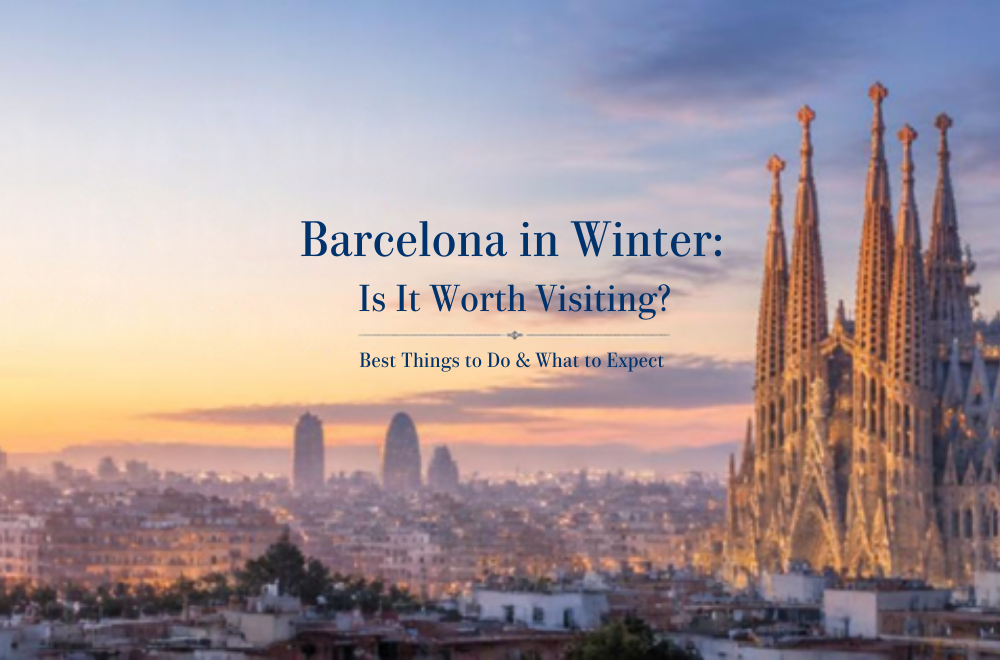
By half past five on a December evening, the light has already gone from Passeig de Gràcia. Shop windows glow, a chestnut seller fans smoke from a street-corner brazier, and strings of lights run the length of the avenue past Casa Batlló and La Pedrera. A few blocks away, the Sagrada Família’s central tower rises over the rooftops, its cross lit against the dark sky. Nobody is queuing. Nobody is sunburnt.
This is Barcelona in winter, and it’s a different city from the one on the postcards. Most travellers weighing a trip ask the same question: without the beaches and the long, warm nights, is it still worth going?

The Short Answer: Is It Worth Visiting Barcelona in Winter?
Yes, for the right traveller. If you come to Barcelona for architecture, food, museums and street life, winter gives you all of it with thinner crowds and, outside the Christmas rush, gentler hotel prices. If your idea of the city involves a towel on Barceloneta beach and a cocktail at midnight, wait for May.
What surprises first-timers is how much happens between December and February. Winter isn’t Barcelona’s closed season. It’s the season the city keeps for itself. It brings a Christmas market older than the French Revolution, a festival for the city’s co-patron saint, and a food ritual built entirely around a charred onion.
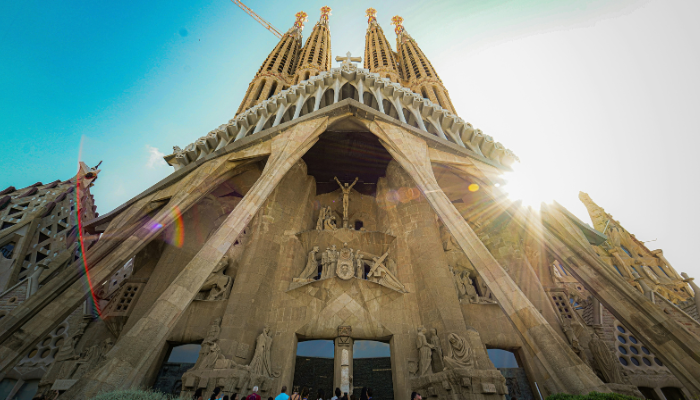
Image credit: Csaba Veres for Unsplash
What Winter in Barcelona Actually Feels Like
The Mediterranean takes the edge off. Daytime highs usually sit around 14–15°C through December, January and February, while mornings and nights fall to roughly 6–8°C. January is typically the coldest month, and February tends to be the driest.
Winter offers bright, clear days that feel comfortable in a jacket, then a sharp chill as soon as the sun goes down. The Spanish capital, Madrid gets properly cold in winter, while Barcelona only gets cool. Snow in the city itself is rare.
The low sun has a reward. Photographers often call winter the best season for shooting Barcelona, with long shadows in the Gothic Quarter, clear air over Montjuïc and warm afternoon light on Gaudí’s façades. The catch is the short day. Plan outdoor sightseeing for late morning and early afternoon, and save museums, markets and long dinners for after dark.
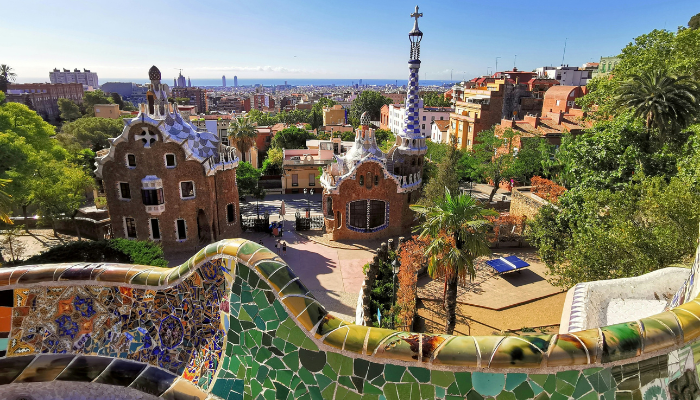
Image credit: Dorian D1 for Unsplash
December: Lights, Markets and a Very Strange Log
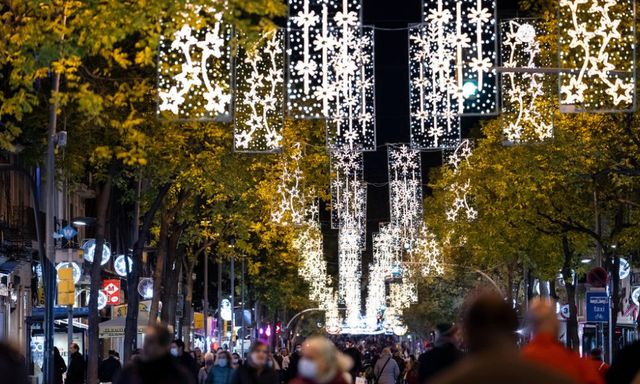
Barcelona’s winter opens with Christmas. The street lights go up in autumn, are switched on in late November, and stay lit until the Three Kings arrive in early January. Each avenue and neighbourhood picks its own design, so the city becomes a patchwork of patterns. A special evening route, Christmas Lights in Barcelona, runs through the main streets for anyone who wants to see the lights without walking the whole city.
Near the Sagrada Família, the modernista pavilions of Sant Pau, a former hospital, host an after-dark light trail called Els Llums de Sant Pau. It’s popular, so book online.
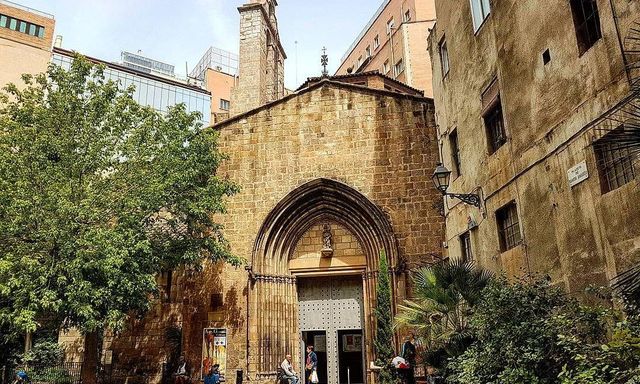
Then come the markets. The Fira de Santa Llúcia, set up in front of the Cathedral, has been running since 1786, making it the oldest in the city. Don’t expect Germanic mulled wine and sausages, though. Catalan Christmas markets are about decorations, crafts, moss and figurines for the pessebre, the nativity scene. A second market spreads across the square in front of the Sagrada Família.
If you visit the markets, try to learn about Catalan humour. The first is the Caga Tió, a small log with a painted face, a red barretina cap and a blanket over its back end. Children “feed” it through December. On Christmas Eve they beat it with sticks while singing, until it “poops” out sweets and small gifts from under the blanket. The second is the Caganer, a figurine of a man squatting with his trousers down, tucked into a corner of the nativity scene as a symbol of fertility and good fortune for the year ahead. The traditional version is a peasant in a barretina, but today’s stalls sell footballers, politicians and pop stars in the same pose.
New Year’s Eve begins at home with a family dinner. At midnight, locals eat twelve grapes, one for each chime of the clock, ideally while wearing red underwear for luck. The big public countdowns draw crowds to Plaça d’Espanya and Poble Espanyol.
Image credit: Kaspars Upmanis for Unsplash
January: Kings, Sales and Onions
In Spain, the main day for presents is 6 January, not Christmas Day. On the evening of the 5th, the Three Kings arrive by boat at the port and parade through the city in the Cavalcada de Reis, throwing sweets to crowds of children along the route. It’s the biggest family night of the Barcelona calendar, so claim a spot early.
Once the Kings have come and gone, the winter sales begin, and the shopping streets around Portal de l’Àngel fill with bargain hunters. Mid-month, the Sant Antoni neighbourhood holds the first local festa major of the year, with parades, music and community gatherings.
January also opens the season many locals wait for all year: calçots. These long, sweet spring onions are grilled over open flames until blackened. You peel away the charred skin by hand, dip the tender core into romesco, a sauce of nuts, red pepper and garlic, then tip your head back and lower it into your mouth. A calçotada, the communal feast built around them, continues with grilled meats, sausage and pa amb tomàquet. Bibs are handed out for good reason.
Peak season runs from late January into early March. Restaurants across the city offer set calçotada menus, and the small town of Valls, where the tradition began, hosts a huge calçot festival at the end of January. Wherever you go, book ahead.
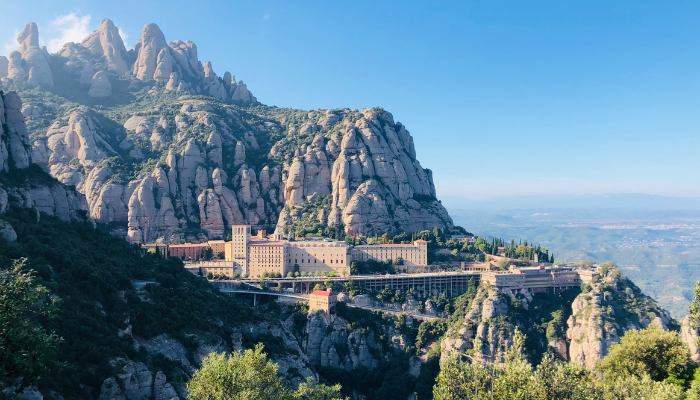
Image credit: M I S S S U for Unsplash
February: The City’s Own Festival
Around 12 February, Barcelona honours Santa Eulàlia, its co-patron saint, with the festival locals call La Laia. For several days the Gothic Quarter belongs to Catalan folk culture: dancing giants, castellers building human towers in Plaça de Sant Jaume, sardana dancing and correfocs, the fire-runs where costumed devils spray sparks through the streets. Most events are free, and several museums open their doors without charge.
The Llum BCN light festival usually falls in early February. Artists and design schools fill the old industrial district of Poblenou with installations projected onto former factories and modern buildings.
Carnival follows, its dates moving each year with Easter. In Barcelona, King Carnestoltes leads the festivities down La Rambla. For the biggest party in Catalonia, take the train south to Sitges, about 40 minutes away, where costumed parades fill the seafront.
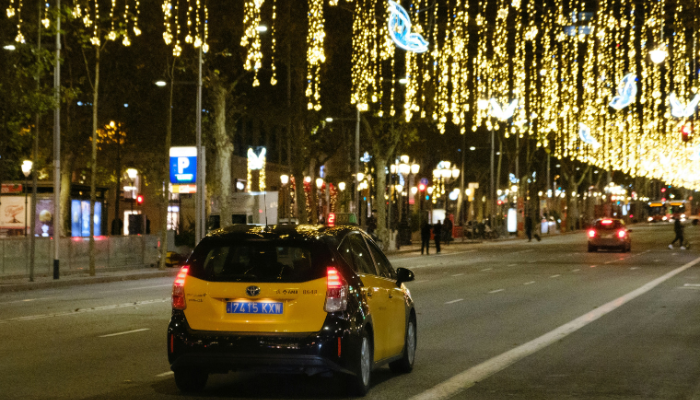
Image credit: Marquise de Photographie for Unsplash
Five Best Things to Do in Barcelona in Winter
1. See the Sagrada Família in Winter Light
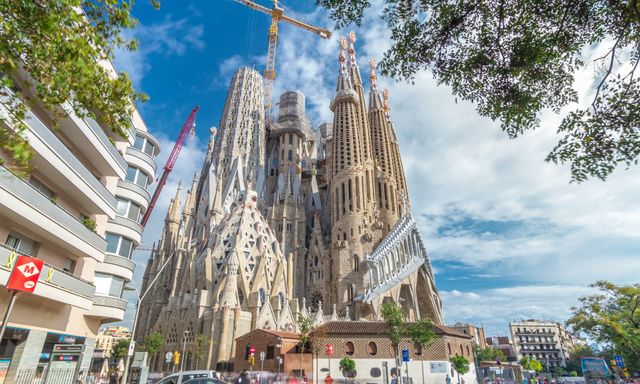
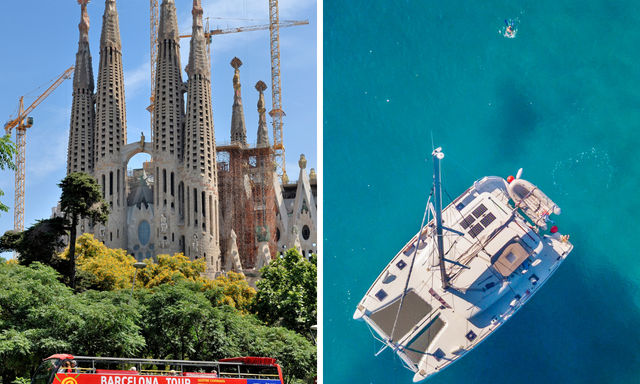
Gaudí’s basilica or Sagrada Familia, now stands at full height, its central Tower of Jesus Christ making it the tallest church in the world. Inside, low winter sun pours through the stained glass in long, coloured beams. Queues are shorter than in summer, but Sagrada Familia Guided Tour With Tower Access tickets still sell out, so book in advance.
2. Drink Chocolate on Carrer de Petritxol
Catalan hot chocolate is thick enough to eat with a spoon. The narrow Carrer de Petritxol, just off La Rambla, is lined with traditional granjas, and Granja La Pallaresa is the classic stop. Order it with churros or melindros, soft sponge fingers made for dipping. For churros in a paper cone to eat on the move, look for the churrería on nearby Carrer dels Banys Nous.
3. Spend a Rainy Day in the Museums
Grey afternoons are made for the Picasso Museum, the Fundació Joan Miró and the MNAC. The Articket pass bundles entry to six of the city’s leading art museums, and it quickly pays for itself if you plan to visit several.
4. Head for the Mountains
On a clear, crisp day, the monastery at Montserrat, about an hour from the city, offers wide views across Catalonia. Skiers can go further. The Pyrenean resorts of La Molina and Masella, and Andorra beyond them, are close enough for a long day trip or a weekend.
5. Go Ice Skating with a View
Seasonal rinks open across the city, including one at La Maquinista shopping centre. The most memorable is at Tibidabo Amusement Park, high above the city, where you can skate with Barcelona spread out below.
6. Try for a Barcelona Sightseeing Bus
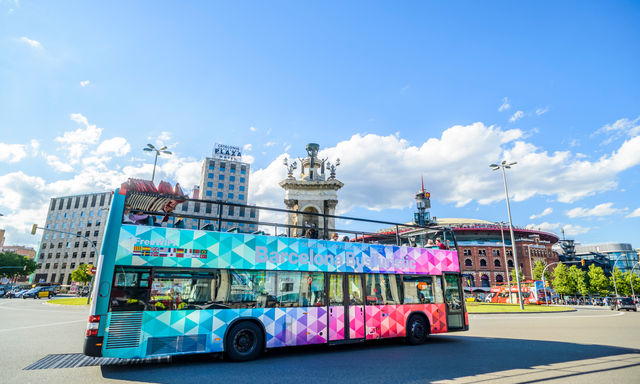
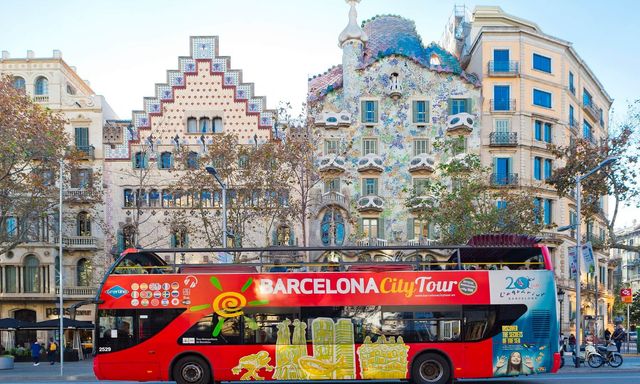
It’s winter time and if you decide to not walk much but to see the city from a double-decker bus, you can always try out a Barcelona hop-on hop-off bus. The bus operates through two routes: the Red or Orange, and Blue or Green, stopping near the major sights situated in the city’s historic center, modernist landmarks, coastal districts, and cultural attractions.
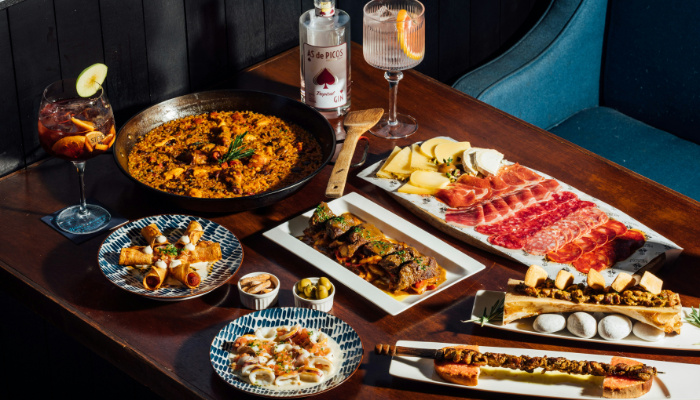
Image credit: CHUTTERSNAP for Unsplash
What to Know Before You Go
A few things change in the cold months. The Magic Fountain of Montjuïc runs a reduced winter schedule and usually pauses for several weeks of maintenance, so check the city council’s website before planning an evening around it. Most beach bars close for the season. Christmas Day, 26 December (Sant Esteve), New Year’s Day and 6 January are public holidays, and many shops and some attractions close or shorten their hours.
The stretch from Christmas to Three Kings is busier and pricier than the rest of winter, so book hotels and headline sights early. Barcelona also charges a per-person, per-night tourist tax on top of your room rate. It has risen in recent years, so check the current rate when you book.
Moreover, if you want to try traditional dishes in top local restaurants in Barcelona, book your table beforehand. You can also read The Ultimate Guide to The Top Local Restaurants in Barcelona Serving Traditional Dishes and decide yours before going out.
What to Pack
Think layers rather than a heavy coat. A water-resistant mid-weight jacket, a warm sweater, a scarf and comfortable shoes that can handle wet stone streets will cover most days. Add gloves if you’re heading up to Montserrat or the Pyrenees.
So, Is Barcelona Worth Visiting in Winter?
If you want the Barcelona that exists beyond the beach, winter may be the best time to see it. The lights come on early, the markets smell of moss and pine, locals gather around platters of charred onions, and the Sagrada Família glows over it all without a summer crowd in sight. Barcelona in winter doesn’t try to be a sun holiday. It just gets on with being itself, and for many travellers that’s reason enough to go.