
Explore Rome Tours with us


-
 Instant confirmation Skip the lineVatican Museums & Sistine Chapel: Hosted Entry TicketfromUS$ 27.30 per person
 - Instant confirmation E-VoucherCity Sightseeing Rome: Hop-On, Hop-Off Tourfrom
US$ 20.15US$ 19.15 per person - Instant confirmation Saver CombosCity Sightseeing Rome Hop-on, Hop-off with Naples & Pompeii TourfromUS$ 113.09 per person
- Instant confirmation Skip the lineCity Sightseeing Rome Hop-On, Hop-Off & Vatican Museums TicketfromUS$ 95.18 per person
- Instant confirmation E-VoucherCity Sightseeing Maxi Combo Pass: Colosseum, Vatican & Hop-On, Hop-Off tourfromUS$ 142.20 per person
- Instant confirmation E-VoucherCity Sightseeing Rome: Hop-On, Hop-Off & Colosseum Entrance TicketfromUS$ 77.26 per person
- Instant confirmation Skip the lineTickets for Vatican Museums & Sistine ChapelfromUS$ 42.55 per person
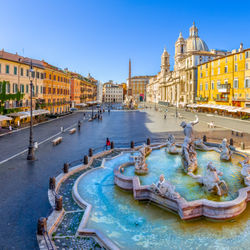
- Instant confirmation E-VoucherRome Guided Walking Tour: Navona, Pantheon & Trevi FountainfromUS$ 22.39 per person
- Instant confirmation E-VoucherGo City: Rome Explorer Pass – Choose from 2, 3, 4, 5, 6 or 7 AttractionsfromUS$ 99.66 per person
Our tips for Rome
- Advance Monument Bookings: Reserve dated tickets for major museums and heritage sites weeks ahead to secure preferred entry windows.
- Sacred Site Dress Codes: When visiting cathedrals, temples, or historic basilicas, ensure shoulders and knees are covered.
- Weekly Museum Closures: Check opening days in advance, as many state and municipal museums close on Mondays or Tuesdays.
- Local Dining Etiquette: Explore side streets away from main monument plazas for authentic local cuisine and reasonable prices.
Good to know
They say 'Rome was not built in a day,' and exploring its three millennia of living history under intense midsummer heat can challenge even the most enthusiastic traveler. The Eternal City is at its most radiant during the golden shoulder months of April to May and September to October, when mild Mediterranean breezes make wandering historic cobblestone alleys from the Pantheon to the Trevi Fountain effortless. July and August bring scorching midday temperatures - a cue to retreat into cool basilica cloisters or schedule morning monument reservations before the sun peaks, leaving evenings for chilled gelato in Piazza Navona. If you want the Colosseum and Vatican Museums virtually to yourself, the crisp winter months from November to February reveal a tranquil, mist-shrouded Rome favored by local residents.
Frequently Asked Questions
-
Q: What is the best time to visit Rome?
A:Heavy tourist traffic hits Rome during the summer months, meaning lengthy queues for hotspots and busy Rome day tours in humid, sticky weather. We recommend visiting Rome just outside of the summer. Both May and September are great months to experience a more laidback, authentic Rome.
-
Q: How do I get around in Rome?
A:Rome’s city subway runs across just two lines, Line A (marked in red) and Line B (marked in blue) and is simple enough for first-timers to use with ease. A stroll through the rambling lanes and avenues will have you falling head over heels for this ancient city from the get-go.
-
Q: What are the top things to do in Rome?
A:The best way to explore the eternal city is with a Rome Hop On Hop Off bus tour. To experience the Roman way of life, you must not miss attractions like the Colosseum, Roman Forum, the Vatican City, Sistine Chapel, St. Peter’s Basilica, Naples, and Pompeii. Also, don’t forget to delve into the city’s vibrant food and drink scene and the culture of people determined to enjoy all the luxuries that life has to offer, gelato included.
-
Q: Is Rome safe for solo travelers?
A:Rome is a relatively safe city, but it’s always a good idea to take extra care when traveling to new places. Always look out for pickpockets. For assistance in any emergency, call 113. In the evenings walk in well-lit areas and stay alert and wary of strangers, especially if you are traveling solo.
Rome Attractions
Travel Inspiration
- 5 Minutes WithBest Spring Break Destinations in Europe for 2026
Spring in Europe is, in one word—magical! It feels like the perfect bridge between winter and summer, when nature wakes up from… The post Best Spring Break Destinations in Europe for 2026 appeared first on The Guidebook - isango!.
Read more ➟ - In The LimelightRome at Easter: Closed Attractions, Special Hours & Travel Tips
Visiting Rome during Easter is one of the best things to do for those travelers who want to experience something unique in… The post Rome at Easter: Closed Attractions, Special Hours & Travel Tips appeared first on The Guidebook - isango!.
Read more ➟ - Isango InsiderPlaces to Visit in Rome: What to See, Do & Explore
Named after its legendary founder, Romulus, Rome is that kind of a destination where you will find history everywhere, and that’s also… The post Places to Visit in Rome: What to See, Do & Explore appeared first on The Guidebook - isango!.
Read more ➟
Get the latest offers and inspiration
Sign up to our newsletter and get the best isango! has to offer
- Enter a valid email
