
Giant’s Causeway and Glens of Antrim from Dublin: By Train and Coach
-
-
-

- +2 More Images

Activity Schedule
Key Highlights
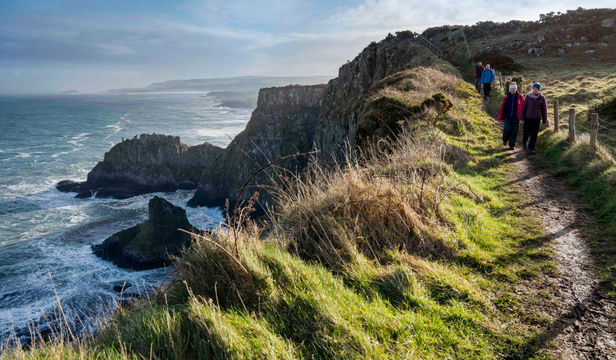
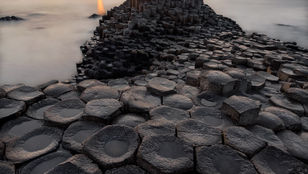
- See the 'eighth wonder of the world' – the magnificent Giant's Causeway
- Treat yourself to unbeatable views and unmatched photo-opportunities
- Enjoy the perfect tour, if you are short of time, to experience the best of Ireland’s beauty
- Visit Dunluce Castle, Carrickfergus, Drogheda and Dundalk
- Experience a fully escorted tour with dedicated host to assist you on the train
Activity Overview
Covering both southern and northern parts of Ireland and blending history, legend and breath-taking scenery, this day tour from Dublin is an enthralling experience. Hop on the train to Belfast and travel north past rolling farmlands, splendid sea views and quaint fishing villages to visit the historic town of Drogheda, Dundalk, Carrickfergus and Dunluce Castle and the iconic Giant’s Causeway!
To join the exciting Giant’s Causeway and Glens of Antrim Tour From Dublin, make our way to Connolly Station in Dublin and depart northwards through the Dublin suburbs, which soon gives way to beautiful farmlands. The track then swings inland to Drogheda and crosses the historic river Boyne by a magnificent viaduct, with great views of the town.
On arriving at Belfast – Ireland’s second-largest city, you will board a coach for the tour to the Antrim Coast and the Giant’s Causeway. One of the city’s principal landmarks can be seen upon arrival – the two Harland & Wolff Cranes – nicknamed Samson and Goliath. It was here that many great ships were built – most notably for White Star Line, whose ships included the Olympic, Britannic and (perhaps the most famous ship of all), RMS Titanic.
Further north, you will reach the fishing village of Carnlough which has gained a lot of popularity ever since it was featured in HBO’s hit-series Game of Thrones as Braavos in Season 6!
Leaving the Giant’s Causeway, you will head back to Belfast via the main road in time to take the train back to Dublin with the tour concluding at Connolly Station.
What’s Included & Not Included
Inclusions
- Reserved seat in train
- Sightseeing in comfortable motor coach
- English-speaking hosts on the train and guides on the sightseeing tours
- Entrance to Giant's Causeway
Exclusions
- Hotel pick-up and drop-off
- Food and beverages
Important Information
Voucher information: You can show your voucher on your smartphone (But if you’d rather print a copy – that’s fine too!)
There is a dining car on the train, serving full Irish breakfast between Monday and Friday, and light breakfast on Saturdays. You may ask your host for details.
Unfortunately, food is not included in the tour price, but there will be stops where you can grab something to eat.
Satisfied Customers
We met our guide (Peter White) for the tour at Connelly Stn and soon boarded the train to Belfast. Peter was absolutely fantastic, a very nice man and superb company for the...
The one day trip to N. Ireland and the Giant's Causeway was great. The train is an excellent way to cover a long distance. Both guides were exceptional. They were knowledgable...
The tour was amazing and great fun. Due to the excellent organization of the tour, everything went smoothly and on time. The guides did a great job!...
This was a long day but everyone was so kind and the helpful. The trip was totally worth the long day and our tour guide Brendon was fantastic!...
It was a great trip. Tour guide was excellent. It was all as advertised....
Top attractions in Dublin
Things to do in Dublin
Travel Inspiration
-
 5 Minutes WithWhy the Guinness Storehouse Is a Must-Visit in Dublin
When talking about iconic attractions in Ireland’s capital, Guinness Storehouse consistently ranks at the very top. More than just a brewery tour,… The post Why the Guinness Storehouse Is a Must-Visit in Dublin appeared first on The Guidebook - isango!.
Read more ➟ - AdventureRaise a glass to Dublin: The City that knows how to Party
The Emerald Isles are waiting for you! The post Raise a glass to Dublin: The City that knows how to Party appeared first on The Guidebook - isango!.
Read more ➟ - Isango InsiderTop Things to Do During FIFA World Cup 2026
I’ll be honest—if I were flying across the world for the FIFA World Cup 2026, I would never want my trip to… The post Top Things to Do During FIFA World Cup 2026 appeared first on The Guidebook - isango!.
Read more ➟
Get the latest offers and inspiration
Sign up to our newsletter and get the best isango! has to offer
- Enter a valid email
