
Cliffs Of Moher, Bunratty Castle, Galway Bay from Dublin: By Train and Coach, City Tours
-
-
-
- +1 More Image

Activity Schedule
Key Highlights
- Picture postcard views of Ireland at its best and stunning photo-opportunities!
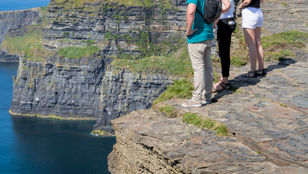
- Marvel at the spectacular Cliffs of Moher – Ireland′s most outstanding coastal feature and top tourist attraction
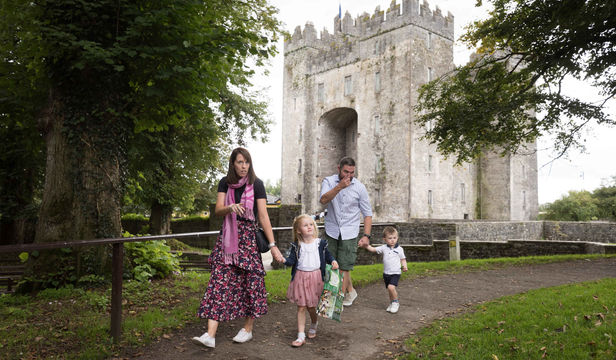
- See Bunratty′s imposing castle and step back into the 19th century at the Folk Park
- Enjoy one of the most beautiful coastal drives in Europe – from the Cliffs of Moher to Galway
- Fully escorted tour with dedicated host to assist you on the train
Activity Overview
See some of the most beautiful and dramatic scenery in Ireland in comfort when you take this combined rail and coach tour.
The journey starts in Dublin and takes you through the lush countryside of Kildare. The train goes through the town of Newbridge, which marks the northern boundary of the Curragh of Kildare which is headquarters of the Irish army and their buildings can be seen in the distance to the south.
Arrive in Limerick and board a coach for a city sightseeing excursion. The city of Limerick on the mighty River Shannon that is even older than London. Then drive north to Bunratty Castle – the most authentic and complete medieval fortress in Ireland – and visit its famous Folk Park where 19th-century life is vividly recreated.
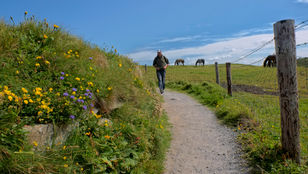
After lunch, head for the magnificent Cliffs of Moher on the wild Atlantic coast – one of Ireland’s top attractions – and enter the stark lunar landscape of the Burren. Round Black Head and follow the shores of picturesque Galway Bay all the way to Galway. This drive is rated by the Automobile Association (AA) as one of the top 10 coastal drives in Europe. Continuing through vast expanses of variable land comprising bog and scrub you will arrive at Ballinasloe – home of the world's oldest horse fair.
In Galway, you will join your train for the return to ‘Dublin’s fair city’.
What’s Included & Not Included
Inclusions
- Reserved seat in train
- Sightseeing in comfortable coach
- English-speaking hosts on the train and guides on the sightseeing tours
- Live commentary on the train and coach tours
- Entrance fees to Bunratty Castle and Folk Park & The Cliffs of Moher Visitor Experience
Exclusions
- Hotel transfers
- Food and beverages
Important Information
Voucher information: You can show your voucher on your smartphone (But if you’d rather print a copy – that’s fine too!)
There is a dining car on the train, serving full Irish breakfast between Monday and Friday, and light breakfast on Saturdays. You may ask your host for details.
Unfortunately, food is not included in the tour price, but there will be stops where you can grab something to eat.
Satisfied Customers
We had a great experience. John was an excellent guide and the tour interesting and fun. We'd definitely book another tour....
It was a good way to see a lot of the countryside and some of the highlights of Ireland in a short time. It showed a few different aspects of Ireland, such as Bunratty Castle...
I thoroughly enjoyed this day. We had plenty of time on our stops and I was really appreciative that an itinerary was included in the pack. A very well run organisation and the...
I had a wonderful tour. The tour guide is very resourceful, helpful, and with great sense of humor. We were lucky to have a wonderful weather condition, and all follows the...
This tour went off quite well! This was our first "big tour" on a vacation and we were a little skeptical, but the folks at Railtours Ireland are a top-notch outfit, and the day...
Top attractions in Dublin
Things to do in Dublin
Travel Inspiration
-
 5 Minutes WithWhy the Guinness Storehouse Is a Must-Visit in Dublin
When talking about iconic attractions in Ireland’s capital, Guinness Storehouse consistently ranks at the very top. More than just a brewery tour,… The post Why the Guinness Storehouse Is a Must-Visit in Dublin appeared first on The Guidebook - isango!.
Read more ➟ - AdventureRaise a glass to Dublin: The City that knows how to Party
The Emerald Isles are waiting for you! The post Raise a glass to Dublin: The City that knows how to Party appeared first on The Guidebook - isango!.
Read more ➟ - Isango InsiderTop Things to Do During FIFA World Cup 2026
I’ll be honest—if I were flying across the world for the FIFA World Cup 2026, I would never want my trip to… The post Top Things to Do During FIFA World Cup 2026 appeared first on The Guidebook - isango!.
Read more ➟
Get the latest offers and inspiration
Sign up to our newsletter and get the best isango! has to offer
- Enter a valid email
